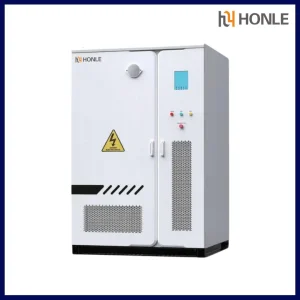
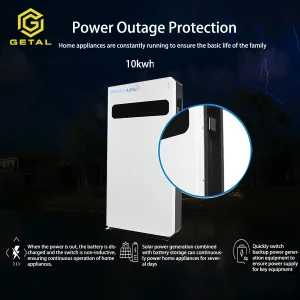
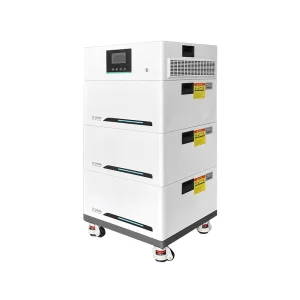
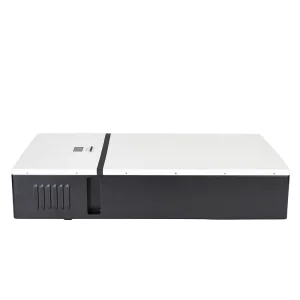
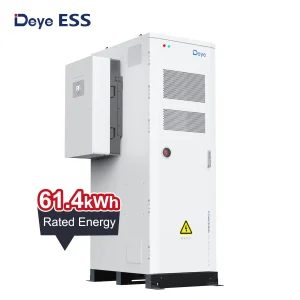
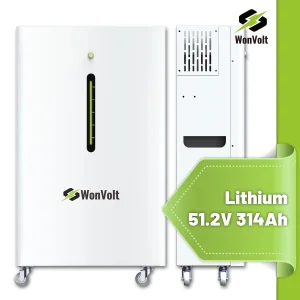
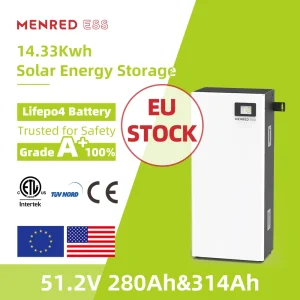
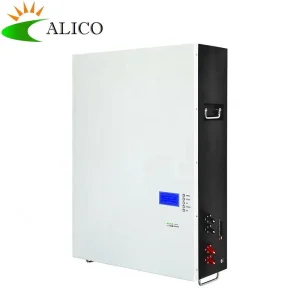
Explore our state-of-the-art LiFePO4 configurations engineered for high density, active safety controls, and plug-and-play installation.
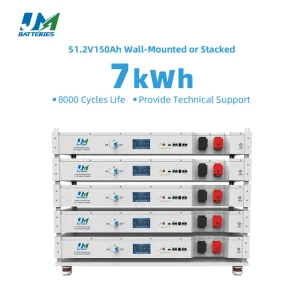
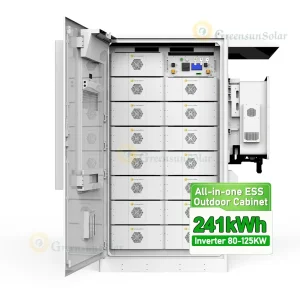
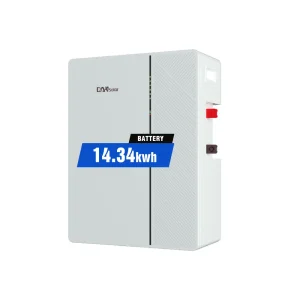
As global energy grids transit from centralized coal-fired distribution models to highly localized, weather-dependent microgrids, the bottleneck of this ecological pivot remains storage density and scalability. Under the rigorous analysis of energy sector dynamics, Compact Energy Storage Systems (CESS) have evolved from niche auxiliary units to critical infrastructural cornerstones.
Modern compact storage solutions leverage advanced lithium-chemistry architectures—primarily Lithium Iron Phosphate (LiFePO4) and Lithium Titanate (LTO)—to yield maximum volumetric efficiency. These systems compress hundreds of kilowatt-hours into footprints that are 40% smaller than legacy Lead-Acid or standard early-generation lithium enclosures. Consequently, urban environments, high-density residential structures, and space-constrained industrial zones can deploy deep-cycle power reserves without sacrificing prime operational space.
Wuxi Sliver New Energy Power Battery Co., Ltd. sits at the heart of this revolution. With a vertically integrated ecosystem that spans from base chemical engineering and cell validation to intelligent battery management system (BMS) customization, we bridge the gap between speculative procurement and actualized energy reliability.
Comparing electrochemical compositions, lifecycle longevity, and safety architectures under extreme operational conditions.
The current benchmark for commercial safety and endurance. Possessing an intrinsically stable olivine crystal structure, LiFePO4 offers exceptional thermal runaway thresholds (>270°C) and handles over 6000 deep discharge cycles at 80% DoD.
Emerging chemistries that operate reliably in extreme sub-zero (-30°C) and desert-heat (+60°C) environments. LTO boasts rapid charge/discharge capacities (C-rates of 5C to 10C) alongside life cycles surpassing 20,000 runs, optimizing industrial dynamic loads.
The mechanical design framework determines volumetric yield. Prismatic hard-case shells provide structural integrity and vibration resistance, whereas pouch configurations minimize weight while prioritizing custom physical footprint constraints.
Decentralized storage models tailored for residential independence, commercial peak management, and rugged mobile applications.
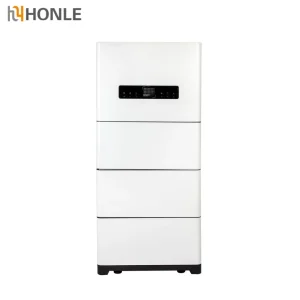
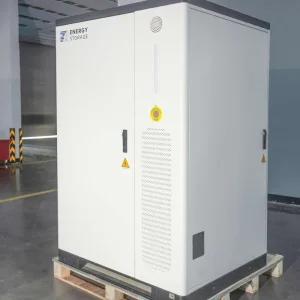
For high-density apartments and commercial properties, real estate is a luxury. Traditional battery banks require dedicated, climate-controlled utility rooms. Wuxi Sliver's high-density stacked walls and all-in-one cabinet solutions allow utility managers to install MW-scale storage configurations within small basement areas or utility shafts.
These units offer dynamic peak-shaving capabilities, charging during low-tariff nighttime cycles and discharging during peak daytime grid demands. This not only lightens the load on public transformers but actively reduces corporate electricity operating expenditures by up to 35%.
Moving platforms—such as Automated Guided Vehicles (AGVs), electric forklifts, heavy robotics, marine yachts, and custom RV configurations—demand batteries that can withstand continuous vibrations, moisture, and variable dynamic draw curves.
By incorporating proprietary structural reinforcement plates and military-grade mechanical dampening brackets, our custom packs maintain internal electrical integrity. Integrated smart BMS systems offer constant real-time telemetry over CANbus networks to keep systems running under peak performance.
Wuxi Sliver New Energy Power Battery Co., Ltd. operates at the vanguard of automated battery fabrication. Our factory integrates Industry 4.0 paradigms to deliver precision-grade consistency at high volumes.
Every cell deployed in our module arrays undergoes automated physical testing. We sort cells by capacity, internal resistance (AC IR < 0.5mΩ), and open-circuit voltage down to millivolt thresholds, eliminating early pack-level deterioration.
We replace standard mechanical connections with computer-guided fiber laser welding. This achieves ultra-low contact resistance across busbars, preventing localized thermal spikes and mitigating high-vibration fatigue.
Assembled battery packs undergo continuous thermal cycling and multi-step charge-discharge profiling in our environmental simulation labs, ensuring no defective system exits our doors.
Below is an inside look at our state-of-the-art production lines, showing our integration of automated assembly units and structural packing systems:

Navigating international regulatory frameworks and shipping protocols for hazardous material Class 9 classifications.
Deploying commercial battery storage requires adherence to strict global safety rules. Wuxi Sliver products undergo testing to achieve compliance across critical standards, including:
Lithium-ion batteries are classified as Class 9 Dangerous Goods. Custom declarations, maritime insurance, special packaging requirements, and dangerous goods declarations require deep expertise.
Wuxi Sliver handles the entire logistics lifecycle. From standard dangerous goods packaging configurations to coordinating door-to-door delivery with specialized shipping carriers, we manage customs, tariffs, and localized delivery documentation so your project remains on schedule.
When sourcing compact energy storage systems at scale, global procurement teams must move past looking solely at unit pricing (USD/kWh) and evaluate long-term Total Cost of Ownership (TCO). Use this evaluation framework to analyze potential partners:
| Evaluation Metric | Industry Standards | Wuxi Sliver Value Proposition |
|---|---|---|
| BMS Balancing Logic | Passive balancing only (dissipates energy as heat). | Active BMS balancing options with real-time CANbus/RS485 diagnostics. |
| Cell Consistency Validation | Manual spot checking during module packing. | 100% automated dynamic sorting (IR, voltage, and capacitance curves). |
| OEM/ODM Customization | Standard sizes only; customer must adjust enclosure dimensions. | Full design integration: dynamic cell selection, Custom BMS, housing. |
| Warranty Backing | Limited 1-3 years with high cycle degradation clauses. | Performance-backed 5-10 year warranty configurations on select chemistries. |
Technical clarifications on performance metrics, integration protocols, and manufacturing standards.
LiFePO4 (LFP) offers superior thermal stability and a longer cycle life (typically 4000 to 6000 cycles at 80% Depth of Discharge) compared to Nickel Manganese Cobalt (NMC), which degrades faster and has a lower thermal runaway threshold (around 150-180°C compared to LFP's 270°C). While NMC has slightly higher energy density, LFP is the safer, more durable choice for compact stationary and commercial systems.
Our Smart BMS tracks each cell’s voltage, temperature, and internal resistance. Active balancing dynamically transfers energy from higher-voltage cells to lower-voltage cells during charging and discharging, reducing cell imbalance. This helps prevent single-cell over-discharge, extending the overall pack life by up to 30% compared to passive systems.
All lithium batteries must meet UN38.3 requirements to ensure safe transport. For industrial installations, batteries must also carry CE, IEC 62619, and UL 1973 certifications. At Wuxi Sliver, we supply all necessary documentation (UN38.3 test summaries, safety data sheets, MSDS) to ensure smooth transit and clearance.
Yes. We offer complete OEM/ODM customization. This includes custom casing shapes, specific voltage profiles (12V, 24V, 48V, up to high-voltage arrays), unique BMS setups, custom communication protocols, and branding/enclosure color options to match your product's requirements.
Designed for commercial grids, power backups, and heavy-duty off-grid environments.
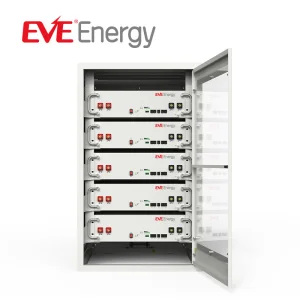
 Sliver Battery