Select high-performance energy storage packs featuring industry-leading discharge rates, long-cycle lifespans, and smart active protection layouts.
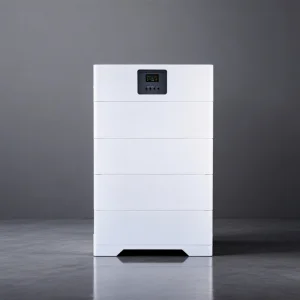
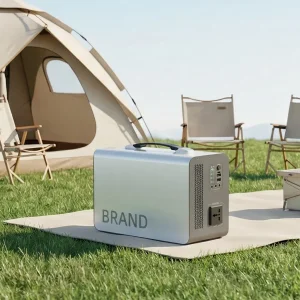
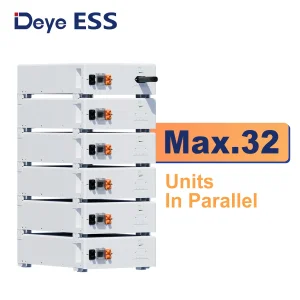
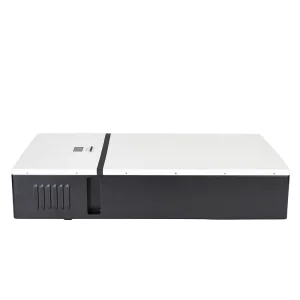
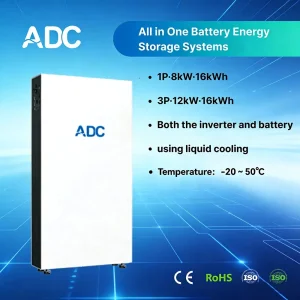
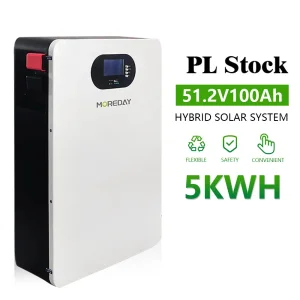
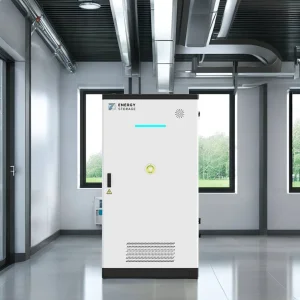
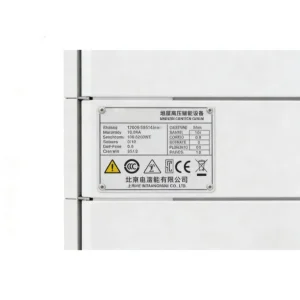
Modern commercial and industrial sectors are shifting rapidly toward electrification. Applications such as automated guided vehicles (AGVs), automated forklifts, hybrid marine vessels, solar micro-grids, and drone logistics demand instant energy transmission. Standard lithium-ion batteries fail to deliver massive peak currents without suffering from acute thermal stress and voltage drops. This is where High Discharge Batteries (high C-rate) play a vital role.
These cells are engineered with specialized electrode chemistry (modified polymer layers, low internal resistance separators, and rich lithium-iron-phosphate structures) to sustain high-rate continuous currents. Achieving high discharge rates without compromising cycle life requires state-of-the-art thermal engineering, ultra-low internal resistance (IR), and micro-level quality control.
Understanding supply trends, regional regulatory requirements, and local deployment metrics for high-rate lithium solutions.
Large-scale energy grids require quick-reaction batteries to resolve sudden power drops. High-rate LFP and LTO cells stabilize local grid deviations, guaranteeing continuous power for critical digital facilities and hospitals.
Automated forklifts and AGVs operate in multi-shift configurations. Fast-charging, high-discharge battery setups enable continuous high-draw ascents and rapid 1C charging cycles, minimizing equipment downtime.
High-discharge batteries power localized robotic systems, unmanned aerial vehicles, and wellness diagnostic systems where compactness must integrate seamlessly with high peak current outputs.
China's battery manufacturing landscape has shifted from basic assembly lines to integrated Factory 4.0 facilities. This transition is led by companies like Wuxi Sliver New Energy Power Battery Co., Ltd., which combine manufacturing scale with high quality control standards.
Managing projects from initial design to final door-to-door delivery, Wuxi Sliver takes customized battery concepts and translates them into certified reality. The factory implements strict control measures across the supply chain, validating every element—from custom Li-Polymer and LiFePO4 cells to smart BMS configurations and matching accessories.
For buyers needing custom energy solutions or looking to expand high-volume production, this vertically integrated approach offers cost efficiency, stable lead times, and compliance with strict safety testing guidelines (such as UN38.3, CE, and IEC).

A deep dive into our manufacturing capacity, quality systems, and broad product ecosystem.
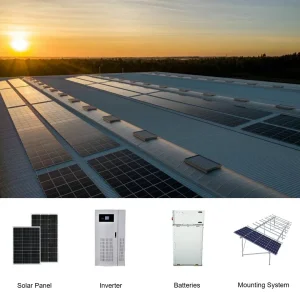
Wuxi Sliver New Energy specializes in solar modules, storage batteries, inverters, PV mounting brackets, and system applications. The company assists clients in design, planning, and implementing solar PV projects, providing custom energy storage solutions for residential, commercial, or industrial applications.
With expertise in lithium polymer cells, LiFePO4 cells, prismatic cells, LTO cells, and lipo batteries, our manufacturing specialties support a wide range of fields:
A detailed industry review comparing key technological innovations, C-rate capabilities, and core manufacturing focus areas.
| Supplier Name | Core Tech / Chemistries | Discharge Rate Range | Primary Target Markets | Strengths / Certifications |
|---|---|---|---|---|
| Wuxi Sliver New Energy Co., Ltd. | LiFePO4, LTO, Li-Polymer, Prismatic | 1C to 10C Continuous / 15C Peak | Industrial Automation, Solar Storage, AGVs, EVs | Custom Smart BMS, Vertical Supply Chain, UN38.3, CE |
| CATL (Contemporary Amperex Technology) | LFP, Sodium-ion, Ternary Lithium | 1C to 5C Continuous | EVs, Utility Energy Storage Systems | Global Tier 1 scale, advanced safety standards |
| BYD Company Ltd. | LFP Blade Battery Chemistry | 1C to 3C Continuous / 8C Peak | Electric Vehicles, Commercial Storage | High energy density, space-saving designs |
| EVE Energy Co., Ltd. | Cylindrical (18650/46950), LFP | 3C to 10C Continuous | Power Tools, E-mobility, Smart Meters | Automated production, wide operational range |
| Kokam (SolarEdge Division) | High-Power NMC Polymer Cells | 5C to 15C Continuous / 30C Peak | Marine, Defense, Heavy Industrial UPS | High density polymer pack designs |
| A123 Systems LLC | LFP (Nanophosphate Tech) | 10C Continuous / 30C Peak | Automotive Hybrid Systems, Grid Support | Low impedance chemistry, long life at high rates |
| LG Energy Solution | NMC Pouch Cells, Cylindrical Cells | 2C to 5C Continuous | Automotive, Home Energy Storage Systems | Strong global footprint, certified safety standards |
| Panasonic Energy | NCA / Cylindrical (21700, 4680) | 3C Continuous / 8C Peak | Automotive, Industrial Backup, Power Tools | High reliability, strict raw material control |
| Grepow Battery | Li-Polymer, LiFePO4 (Ultra-High Rate) | 10C to 40C Continuous / 80C Peak | UAVs, Drones, Jump Starters | Custom shape fabrication, very high discharge rates |
| Samsung SDI | Prismatic NMC, Solid-State R&D | 3C to 8C Continuous | E-bikes, Forklifts, Residential Storage | High cycle performance, advanced thermal designs |
When comparing suppliers, look beyond the listed nominal C-rates. It is critical to inspect the discharge curve under load conditions and verify the battery's temperature rise at peak currents. High discharge cells require a compatible battery management system (BMS) with thermal shutdown features to prevent damage and runaways.
Discover highly compatible replacements, low-maintenance backup systems, and customized small-scale cells.
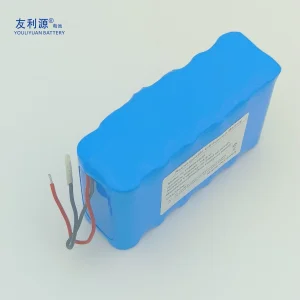
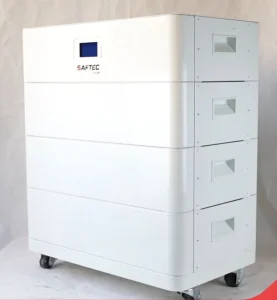
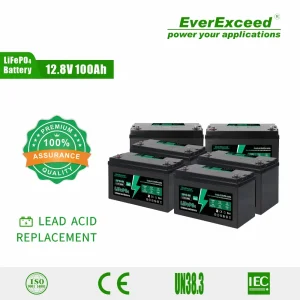
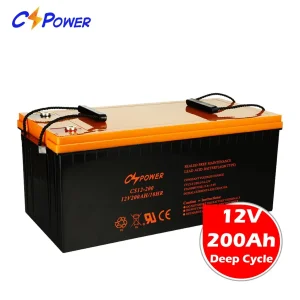
Expert answers to common questions about discharge rates, safety, customization, and supply chain logistics.
Continuous discharge is the maximum current at which a battery can run continuously without overheating or failing. Peak discharge (or pulse discharge) is the maximum current the battery can sustain for brief periods (typically 1 to 10 seconds)—such as during electric motor starts or system power surges.
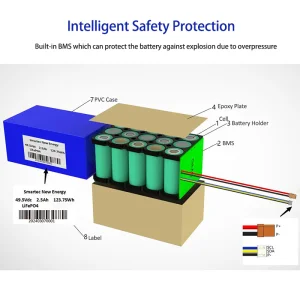
Under high currents, slight differences in internal resistance between cells can cause temperature variances and voltage imbalances. A Smart BMS monitors each cell in real time. It balances the voltage and protects against over-discharge, over-charge, and short circuits, ensuring system stability and safety.
High discharge rates naturally generate heat. Operating at elevated temperatures can accelerate cell degradation and reduce safety margins. Active liquid cooling or advanced heatsink systems help maintain the battery within its optimal temperature window (typically 20°C to 45°C) to protect its service life.
Exporting lithium battery packs requires international compliance, including the UN38.3 standard for transport safety, IEC 62133 for global battery safety, and CE/UL certifications for regional electrical compliance. Professional suppliers manage these tests and provide full shipping documentation.
 Sliver Battery