Premium grade lithium modules customized with advanced safety protocols and optimized charging thresholds for Seychelles marine climates.
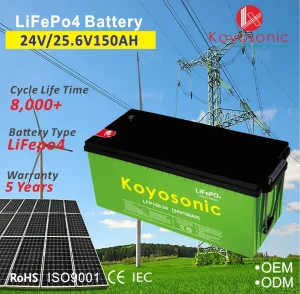
A comprehensive analysis of microgrids, marine climate optimization, and battery storage implementation in East Africa’s key archipelago.
As an archipelago of 115 islands in the Indian Ocean, Seychelles faces unique geographical and ecological energy challenges. Historically, the nation has relied almost exclusively on imported refined petroleum products for electricity generation. This heavy dependence on imported diesel results in high electricity tariffs and exposes the local economy to global oil market volatility. In response, the Seychelles government, through the Seychelles Energy Commission (SEC), has enacted ambitious plans to achieve 15% renewable energy by 2030 and transition to 100% decarbonized electricity by 2050.
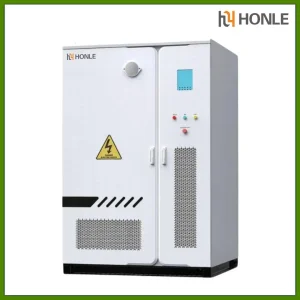
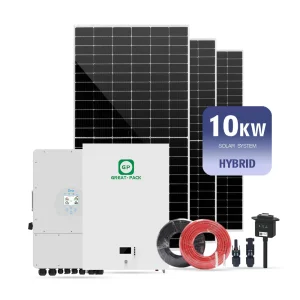
To meet these milestones, utility-scale solar and decentralized residential/commercial energy storage systems (BESS) are essential. Residential areas in Mahé, Praslin, and La Digue, alongside isolated luxury eco-resorts, are increasingly moving towards grid-tied solar systems combined with long-life home battery storage. These storage installations maintain grid stability, manage peak evening loads, and secure backup power during storms or maintenance outages.
Our factory specializes in manufacturing cells and systems engineered for tropical marine environments. We address high ambient humidity, elevated temperatures, and airborne salt mist, which accelerate galvanic corrosion and degrade thermal management systems. By using heavy-duty IP65 and IP66 enclosures, anti-corrosive circuit coatings (conformal coating), and cell chemistries rated for extended operating temperatures, we supply durable energy storage systems designed for the unique climate of Seychelles.
Information Gain: Typical standard lithium batteries degrade up to 40% faster in high-humidity coastal zones due to micro-condensation. Wuxi Sliver's tailored line features hermetically sealed cell containers and active dehumidification membranes within the pack structure.
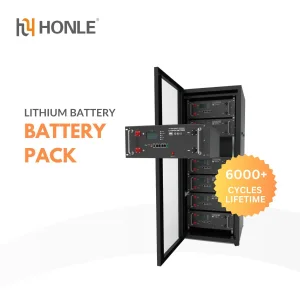
The global energy storage landscape has experienced a major shift from Cobalt-based chemistries (NMC/LCO) toward Lithium Iron Phosphate (LiFePO4 or LFP) for stationary applications. This transition is driven by safety, raw material abundance, and thermal stability. LFP cells run cooler, resist thermal runaway up to 600°C, and provide an operating lifetime exceeding 6,000 charge-discharge cycles at 80% Depth of Discharge (DoD), compared to approximately 2,000 cycles for standard NMC alternatives.
The latest technological advancement in this sector is the rise of high-voltage (HV) stackable home battery systems. Unlike conventional 48V low-voltage configurations that require heavy copper wiring and exhibit higher power conversion losses, modern residential systems operate between 200V and 400V DC. This reduction in current minimizes resistive heating (I²R losses), boosting overall round-trip efficiency (RTE) from 88% to over 95%.
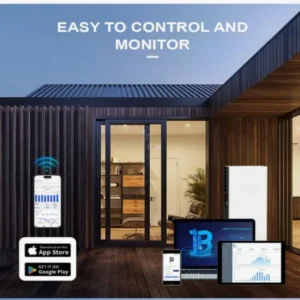
Concurrently, the integration of Smart Battery Management Systems (BMS) featuring cloud analytics, IoT tracking, and dynamic cell-balancing protocols has become standard. These systems optimize cell state-of-health (SoH) and state-of-charge (SoC) calculations in real time, preventing localized overcharging and cell degradation.
How our long-life lithium battery systems solve complex off-grid and hybrid grid challenges across the islands.
Enables off-grid resorts to transition away from continuous diesel generator operation. High-capacity stackable systems store solar energy collected during the day to run heavy air-conditioning and desalination systems quietly through the night, preserving the natural soundscape.
For grid-tied consumers, our systems mitigate voltage sags and frequency fluctuations caused by intermittent cloud cover over solar arrays. Rapid-discharge capability maintains stable residential power and avoids utility penalties.
Secures continuous operation of localized cold storage units and ice factories, protecting critical commercial fishing catches in the event of a main grid failure.
Developing home storage systems for high-temperature and high-humidity climates requires specialized engineering. Our R&D division focuses on three main design elements:
Looking ahead, our technical roadmap includes the integration of sodium-ion battery chemistries for low-cost, high-temperature operations, alongside solid-state electrolytes designed to eliminate liquid electrolyte leakage.
We operate as a global solar storage lithium battery solution provider and Li-polymer manufacturer with a vertically integrated structure. Our services cover everything from design and engineering to international distribution. We manufacture customized lithium battery packs, smart BMS units, chargers, and system enclosures to meet international standards.
Whether you require high-capacity residential storage, commercial-scale systems, or specialized marine power packs, our engineering team designs and manufactures solutions tailored to your project requirements. We manage the entire logistics chain to deliver products directly to your site.
Contact Our Engineers
Scalable storage solutions, heavy-duty industrial systems, and portable power stations optimized for Seychelles projects.
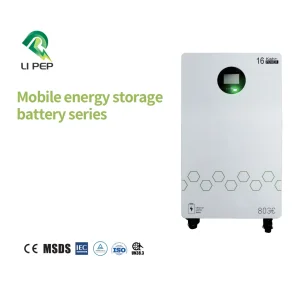
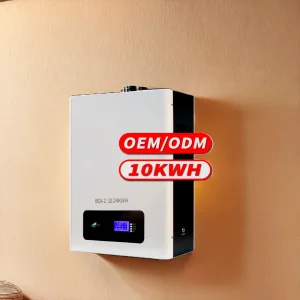
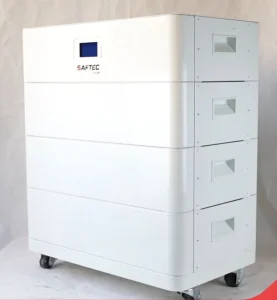
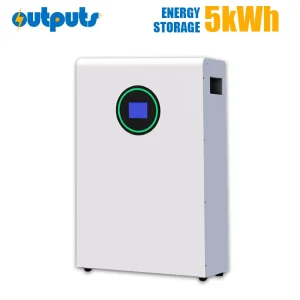
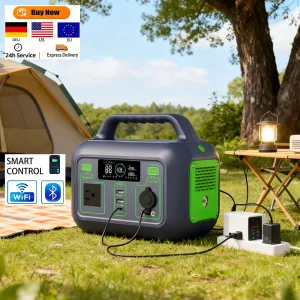
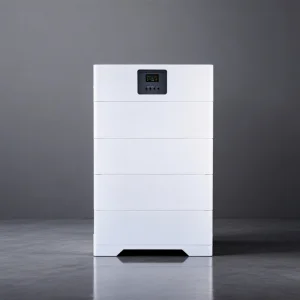
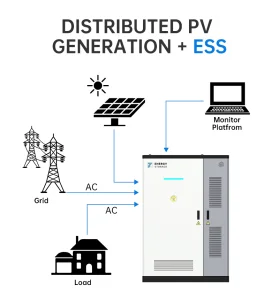
Key technical considerations for installing and managing lithium energy storage systems in the Seychelles.
 Sliver Battery