How to extend the life of a home battery starts with one overlooked detail: temperature. A battery in a hot, poorly ventilated garage ages faster than one kept in a shaded, moderate environment. NREL’s Battery Storage Technologies report indicates that lithium-ion systems commonly reach about 10 to 15 years, depending on cycling, temperature, and maintenance. That range is useful, but it is not a promise.
Battery scientist Dr. Jeff Dahn offers a practical warning: “Heat is the enemy of batteries.” His point matters during summer afternoons, when an enclosed garage can become dangerously warm. This guide will examine charge limits, discharge depth, cooling space, software updates, and inspection routines. Keeping daily charging near the manufacturer’s recommended range may reduce unnecessary stress. Avoiding repeated full discharges can also help. Small habits matter.
The U.S. Department of Energy’s Energy Storage Grand Challenge Roadmap identifies durability, safety, and lifecycle performance as central storage priorities. The International Energy Agency also reports that battery performance depends strongly on operating conditions, not only cell chemistry. That distinction deserves attention. A premium battery can still age poorly when exposed to heat or careless cycling.
Some advice sounds simple. Real homes are messier. Solar production changes, families forget settings, and backup power demands vary. Therefore, this article will not promise a perfect formula. It will explain practical decisions, including when preserving battery health should yield to emergency backup needs. Check the manual, record monthly performance, and question habits that seem harmless. A little doubt can prevent an expensive mistake.
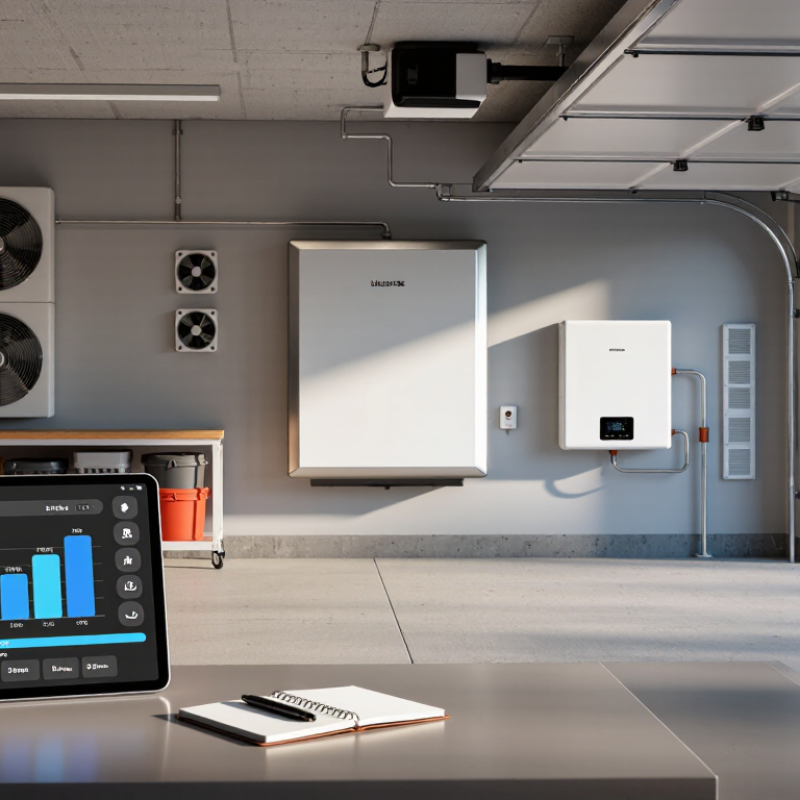
Top Ways to Extend the Life of a Home Battery
Understand How Home Battery Systems Age
A home battery ages through cycles and time. Each charge and discharge slightly changes its internal chemistry. Deep discharges usually create more stress than moderate cycling. Heat accelerates this process, especially inside a poorly ventilated garage. NREL’s 2024 Annual Technology Baseline models lithium-ion storage with an assumed 15-year life and 85% round-trip efficiency. Real results can differ. Usage patterns matter more than a brochure suggests.
Watch capacity, not just daily performance. A battery may still power your home while holding less energy. Many systems gradually approach about 70% to 80% of their original capacity near end of service life. This is not a universal rule. Temperature, charging speed, installation quality, and software controls all influence the outcome. The U.S. Department of Energy identifies thermal management and degradation as major storage challenges.
Tips: Keep the battery within its recommended temperature range. Avoid leaving it fully charged for weeks. Use moderate backup reserves when possible. Check monthly energy data for unusual drops. Inspect vents and warning messages. Do not ignore small changes. They may become expensive later. I would also review installer guidance yearly, because my first setting may not remain the best one.
A home battery’s location is a lifespan decision, not merely an architectural choice. Choose a shaded, dry, well-ventilated area with stable temperatures. Direct afternoon sunlight can heat a cabinet quickly. Repeated heat exposure accelerates chemical aging. Cold is not harmless. Charging below freezing can damage lithium-ion cells without proper controls. Use a temperature-controlled space when winters are severe. Keep the unit away from sprinklers, flood paths, corrosive chemicals, and salt-laden air. Small details matter.
The U.S. Department of Energy’s 2022 Cost and Performance Assessment models lithium-ion storage near 85% round-trip efficiency, with service-life assumptions commonly around 10 to 15 years. These figures depend on controlled operating conditions. They are not promises. NREL’s storage research also identifies thermal management as a major factor in battery performance and safety. Leave the clearances required by local electrical codes. Do not install the cabinet beside a boiler, dryer, or uninsulated metal roof. Allow service access on every specified side. An installer should record ambient temperature, humidity, and ventilation conditions during commissioning. That record makes future diagnosis more reliable.
A garage may look convenient, but it can become extremely hot in summer and damp after storms. A utility room may be better, yet poor airflow can still create trouble. I would not treat one “ideal” location as universal. Site conditions deserve a second look, especially after seasonal changes.
| Installation Factor | Recommended Conditions | Conditions to Avoid | How It Helps Battery Life | Routine Check |
|---|---|---|---|---|
| Ambient Temperature | Aim for approximately 15–30°C (59–86°F), with stable temperatures whenever practical. | Long-term exposure to temperatures below 0°C (32°F) or above 40°C (104°F), especially during charging. | High temperatures accelerate chemical aging, while very low temperatures can reduce available power and may make charging unsafe for some lithium-based systems. | Check temperature trends during the hottest and coldest periods of the year. |
| Direct Sunlight | Use a shaded indoor area or a permanently shaded, weather-protected outdoor location. | Unshaded walls, rooftops, enclosed sunrooms, or locations receiving strong afternoon sunlight. | Solar radiation can raise the battery enclosure temperature well above the surrounding air temperature, increasing thermal stress. | Observe the battery location at different times of day and seasons. |
| Ventilation and Airflow | Provide the clearances and airflow specified in the installation manual; keep vents unobstructed. | Tight cabinets, sealed closets, stacked objects, or installation next to heat-producing equipment. | Good airflow helps remove heat generated during charging, discharging, and power conversion. | Keep vents and surrounding spaces free of dust, storage items, and vegetation. |
| Moisture and Humidity | Choose a dry, well-drained location protected from rain, condensation, and water spray. | Bathrooms, areas with persistent condensation, irrigation spray, leaking pipes, or frequent flooding. | Moisture can corrode electrical connections, damage enclosures, and increase the risk of insulation faults. | Inspect for condensation, water marks, corrosion, and damaged seals. |
| Flood and Drainage Risk | Install above the expected water level and away from floor drains, sump overflow paths, and low points. | Basements or exterior locations that can flood, especially where water cannot drain quickly. | Flooding can permanently damage the battery and create serious electrical and safety hazards. | Review drainage after heavy rain and keep the area clear for emergency access. |
| Dust, Salt, and Corrosive Air | Use a clean location with limited dust and normal indoor air quality. | Workshops with heavy dust, coastal spray, chemical storage areas, and locations exposed to fertilizer or corrosive fumes. | Contaminants can restrict cooling, corrode terminals, and degrade seals or electronic components. | Clean surrounding surfaces and investigate unusual residue or corrosion. |
| Mechanical Protection | Mount on a stable, load-rated surface protected from impact, vibration, and falling objects. | Areas beside vehicle paths, active construction, unstable walls, or locations prone to repeated vibration. | Physical damage can affect the enclosure, wiring, mounting points, and internal safety systems. | Check mounting hardware, enclosure condition, and cable strain protection. |
| Distance from Heat Sources | Keep away from boilers, furnaces, radiators, hot-water equipment, cooking appliances, and generator exhaust. | Direct contact with hot surfaces or placement in rooms that routinely become overheated. | External heat increases the battery's operating temperature and can shorten the service life of cells and electronics. | Confirm that nearby equipment does not raise the battery's local temperature. |
| Electrical and Cable Routing | Use short, protected cable runs installed by a qualified professional, following local electrical requirements. | Loose cables, sharp bends, exposed conductors, overloaded circuits, or unsupported cable weight. | Proper routing reduces heat, voltage drop, mechanical strain, and the risk of connection failures. | Look for loose fittings, discoloration, damaged insulation, or unusual heat at connections. |
| Access and Clearance | Leave the manufacturer's required service clearance and maintain a clear path to the battery. | Blocked access, storage placed directly in front of the unit, or installation in a confined escape route. | Accessible equipment is easier to inspect, cool, service, and safely isolate during an emergency. | Keep the service area clear and review access after reorganizing the room. |
| Indoor versus Outdoor Placement | Prefer a dry, temperature-stable indoor location when permitted; use outdoor placement only with equipment rated for it. | Using indoor-rated equipment outdoors or placing outdoor equipment where its enclosure rating is insufficient. | A suitable enclosure protects against weather, dust, moisture, and temperature extremes. | Verify that the installation environment matches the equipment's environmental rating. |
| Monitoring and Alarms | Enable temperature, fault, and battery-management alerts, and review abnormal events promptly. | Ignoring repeated high-temperature warnings, error codes, unexpected shutdowns, or unusual odors. | Early detection can prevent prolonged operation under damaging conditions and help identify ventilation or electrical problems. | Review system alerts at least monthly and after severe weather. |
Use charging and discharging settings that reduce battery stress. Lithium-ion batteries age faster under heat, deep cycling, and prolonged full charge. The National Renewable Energy Laboratory identifies temperature, state of charge, and discharge depth as major aging factors. In practice, a daily operating range of 20% to 80% can reduce stress, although it may sacrifice some usable energy. That trade-off is easy to underestimate.
Avoid storing the battery at 100% for long periods. Set charging to finish near the time your household needs backup power. During mild weather, a lower reserve setting may also help. However, backup priorities matter. A coastal home facing outages needs a different reserve than a city apartment with stable electricity. The U.S. Department of Energy commonly uses 80% of original capacity as an end-of-life benchmark for lithium-ion batteries. Performance will not decline perfectly evenly.
Tips: Keep the battery in a shaded, ventilated area. Avoid charging during extreme heat or cold when the system allows scheduling. Use moderate power settings instead of constant maximum-rate charging. Check monthly energy data for unusual capacity loss. A small temperature warning should not be ignored. Also, review the settings after seasonal changes. My own cautious view is simple: maximizing every available kilowatt-hour today may shorten tomorrow’s backup time. Follow the manufacturer’s safety limits, and let a qualified technician investigate repeated alarms.
A home battery needs regular attention, not occasional guesswork. Check its charge level, temperature, and warning messages each month. Keep a simple log with dates and unusual changes. A sudden capacity drop deserves professional inspection.
Temperature matters greatly. Install the battery in a dry, well-ventilated area away from direct sunlight. Dust can collect around vents, so gently clean nearby surfaces with a dry cloth. Never open the battery casing. Internal components can retain dangerous energy.
Watch for swelling, leaking, damaged cables, or unusual smells. Stop using the system if any of these signs appear. Contact a qualified technician for testing and repair. Do not ignore small changes. They may signal deeper problems.
Avoid keeping the battery fully charged or empty for long periods. Follow the manufacturer’s recommended operating range and inspection schedule. Software updates can also improve monitoring accuracy and safety. However, remote readings are not always perfect. A displayed percentage may hide gradual capacity loss.
Maintenance routines are easy to postpone. I have seen household checklists fail after a busy month. Set a calendar reminder and review the log seasonally. Professional testing every few years can reveal aging that daily monitoring misses.
A home battery rarely fails all at once. Its supporting parts usually age first. Reduced runtime, unusual heat, or repeated warning codes deserve attention.
Ask a qualified electrician to inspect the system. They can test battery modules, wiring, ventilation, and the inverter safely. Do not open a high-voltage enclosure yourself. Replacing a cooling fan, sensor, fuse, or worn seal may restore reliable operation. Some battery modules can be replaced individually, but compatibility matters. The service manual should guide every decision. Keep dated records of capacity tests and repairs. This simple habit helps reveal gradual decline.
A neat maintenance schedule is useful, but it is not perfect. Temperature, humidity, and daily cycling change battery life. I would not replace a healthy component only because it has reached a suggested age. Testing provides better evidence. Still, delaying a repair after swelling, leaking, smoke, or strong chemical odors is unsafe. Isolate the system if the instructions allow it, and contact a qualified professional.
When replacement becomes practical, recycle the battery through an approved battery or electronic-waste facility. Never place it in household trash or curbside recycling. Remove loose metal objects from the battery area. Cover exposed terminals with nonconductive tape only when the recycler permits it. Ask about transport requirements before moving a damaged unit. Keep the battery dry and away from heat during temporary storage. Local rules differ, and they can change. A licensed recycler can recover valuable materials and manage hazardous components responsibly.
Replace aging components before they reduce system performance, and recycle the battery responsibly when it reaches the end of its useful service life.
The chart shows generalized planning values for lithium-ion home batteries: usable capacity commonly declines with age and cycling, while replacing worn control, cooling, or connection components can help preserve safe operation. Actual results vary with temperature, charging habits, installation quality, and battery chemistry. A battery that is damaged, swollen, leaking, or unable to hold a safe charge should be handled by a qualified service provider and sent through an approved recycling program.
Aging comes from both calendar time and charge cycles. Each cycle slightly changes the battery’s internal chemistry. Deep discharges usually create more stress. Real lifespan depends on temperature, settings, and daily use.
Many lithium-ion systems are modeled for roughly 10 to 15 years. This is an estimate, not a promise. Some batteries may approach 70% to 80% of their original capacity near service end.
Keep the battery within its recommended temperature range. Avoid direct afternoon sunlight and unheated spaces during freezing weather. Charging below freezing can damage cells without suitable controls. Heat is especially harmful.
A garage can work, but summer heat and storm moisture may cause problems. Choose a shaded, dry, well-ventilated area. Keep the unit away from boilers, dryers, sprinklers, flood paths, and corrosive chemicals.
Avoid leaving the battery fully charged for many weeks. Use a moderate backup reserve when practical. Deep cycling may increase stress. I would review the settings yearly, because the best choice can change.
Check monthly energy data and compare runtime over similar conditions. Watch for sudden drops, unusual heat, or repeated warning messages. A battery may still power the home while storing less energy. Small changes matter.
Supporting parts can age before the battery fails completely. A qualified electrician can inspect modules, wiring, ventilation, sensors, fuses, seals, and the inverter. Do not open a high-voltage enclosure yourself. Testing is better than guessing.
Swelling, leaking, smoke, strong chemical odors, or unusual heat require urgent attention. Follow the system instructions for isolation, if permitted. Contact a qualified professional. Do not delay because the battery still appears functional.
Use an approved battery or electronic-waste recycling facility. Never place the battery in household trash or curbside recycling. Ask about transport rules before moving a damaged unit. Keep it dry, cool, and away from loose metal objects during temporary storage.
How to extend the life of a home battery starts with understanding how battery systems age. Capacity gradually declines through repeated charge and discharge cycles, high temperatures, deep discharges, and long periods at extreme charge levels. Choosing a cool, dry, well-ventilated installation location can reduce thermal stress and support more stable performance. It is also helpful to use charging and discharging settings that avoid unnecessary extremes, while matching the battery’s operation to household energy needs.
Regular monitoring can reveal changes in capacity, temperature, charging behavior, or unusual performance before they become serious problems. Routine maintenance should include checking connections, keeping the surrounding area clear, and following the manufacturer’s safety guidance. As the system ages, worn components should be inspected and replaced by qualified professionals when necessary. Finally, when the battery reaches the end of its useful life, it should be handled through an appropriate recycling or collection program rather than disposed of with ordinary household waste.
Sliver Battery