What Are the Top 10 Home Battery Safety Risks for Buyers?

Time:2026-11-02 Author:Isabella
0%

A home battery can sit quietly beside a garage wall, yet its safety depends on much more than the casing. Installation quality, ventilation, wiring, charging controls, and nearby heat sources all matter. What safety risks come with home batteries? Buyers should look beyond a product’s advertised capacity and ask how the system handles faults, damage, and rising temperatures.

Battery-safety researcher Professor Paul Christensen has warned that lithium-ion battery fires can be difficult to extinguish and may reignite. That matters. A battery fault can develop into heat, smoke, or fire, while poor placement may make inspection and emergency access harder. Even a reliable product needs suitable installation, clear operating instructions, and regular attention. No system is risk-free.

This guide examines ten practical risks buyers should assess before choosing a home battery. They include thermal runaway, electrical faults, installation errors, water exposure, physical damage, and inadequate ventilation. It also considers warning signs, maintenance gaps, and the limits of backup-power claims. Ask specific questions. Check the manufacturer’s safety documentation, installer qualifications, and service arrangements. A neat display and a reassuring sales pitch are not proof of safety. Some details are easy to overlook, especially when comparing price and storage capacity. The right decision comes from weighing those details alongside performance.
What Are the Top 10 Home Battery Safety Risks for Buyers?

Battery Chemistry, Thermal Runaway, and Fire Propagation Risks

Home battery safety starts with chemistry, but chemistry alone cannot predict every incident. Lithium iron phosphate cells generally offer greater thermal stability than nickel-rich lithium-ion designs, yet neither chemistry is risk-free. Cell design, operating temperature, charging limits, and physical damage all matter. Labels can oversimplify this. Ask which chemistry is used and how the system responds to abnormal heat.

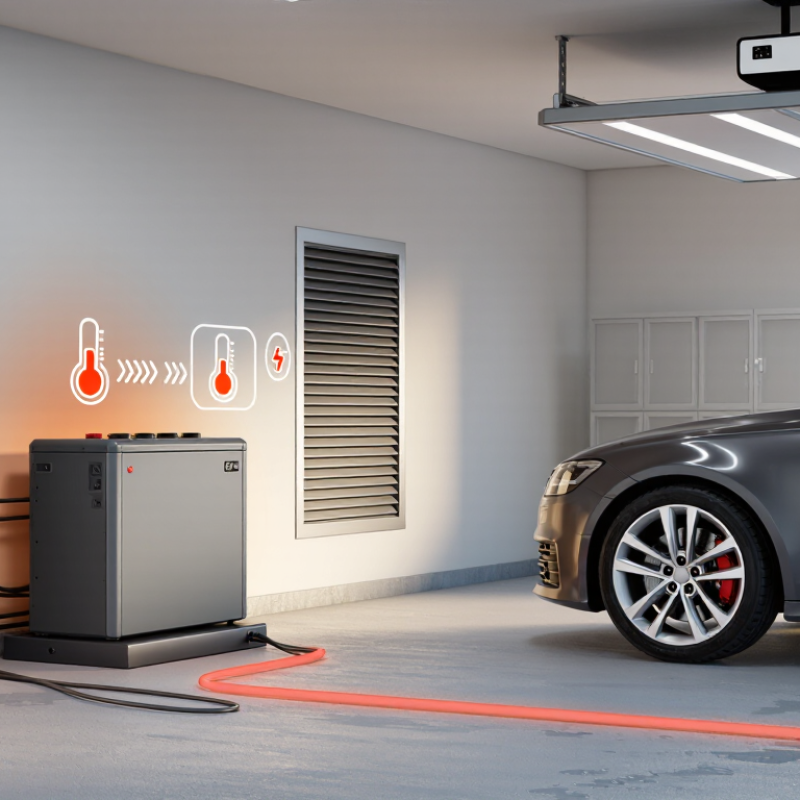
Thermal runaway occurs when a cell heats uncontrollably, potentially releasing heat and flammable gases. One failing cell can stress nearby cells and start a chain reaction. That is the propagation risk. Enclosures, spacing, barriers, ventilation, and battery-management controls may slow escalation, but no single feature guarantees containment. Installation conditions matter. A hot garage, blocked airflow, or equipment placed near combustible materials can undermine an otherwise thoughtful design.

Buyers should ask whether the complete system has been assessed for fire and propagation risks, not just individual cells. Check that alarms, shutdown controls, and service guidance are clearly explained. Unusual heat, swelling, hissing, smoke, or repeated alarms deserve prompt attention; move away and contact emergency services or a qualified installer. Do not open or investigate a damaged battery yourself. It is easy to focus on chemistry labels and overlook the room around the battery. That deserves a closer look.

Electrical Shock, Arc Flash, and Faulty Wiring Hazards

A home battery can present shock hazards even after the household supply is switched off. Its cells may still hold dangerous DC energy, and exposed terminals or damaged insulation can turn routine inspection into a serious risk. Never assume a dark display means the system is de-energized. Small errors matter.

Arc flash can occur if a tool bridges conductors or a loose connection overheats. The blast can eject hot metal and cause severe burns. NFPA’s Home Electrical Fires report estimates that electrical failure or malfunction was involved in an average of 46,700 U.S. home fires annually from 2015 to 2019. These figures are not battery-specific, but they show why electrical workmanship deserves close attention. A tidy cabinet can still hide a loose lug. Easy to overlook.

Faulty wiring risks include undersized conductors, reversed polarity, damaged cable jackets, and terminals tightened incorrectly. Heat may build quietly before a smell or discoloration appears. Buyers should ask who will install and commission the system, whether wiring and protective devices match the design, and whether torque checks are documented. Do not open an energized enclosure to verify the work. A qualified electrician can check clearances, isolation, and connections; paperwork alone cannot prove every terminal is sound.

Installation, Mounting, and Ventilation Risks in the Home

A home battery can be well engineered and still be poorly placed. Ask whether the proposed wall or floor can carry the fully loaded unit, not just its empty cabinet. Mounting instructions specify permitted orientations, anchor types, and clearances; a weak surface or improvised bracket can shift under load. NFPA 855 covers stationary energy storage installation and fire protection, while local requirements depend on the system and site. Get the installer to document the applicable clearances and mounting method.

Ventilation is not simply “leave a little space.” Battery systems may release heat or gases during a fault, and blocked openings can worsen the hazard. UL 9540A evaluates thermal-runaway propagation at four levels: cell, module, unit, and installation. Its test results can help assess heat and fire spread, but they do not replace site-specific design. Small gaps matter. Keep vents clear of shelves, stored boxes, curtains, and direct heat sources. Ask how airflow works with doors closed, and where any exhaust goes. A tidy-looking installation can still trap heat; I would want that assumption checked against the manufacturer’s instructions and the installer’s documented plan.

Protection-System Failures, Incompatibility, and Environmental Stress

What Are the Top 10 Home Battery Safety Risks for Buyers?

Protection-System Failures, Incompatibility, and Environmental Stress

A home battery’s safety depends on more than its casing. Sensors, controls, and shutdown mechanisms must work together. If a temperature sensor fails to detect overheating, the system may not respond promptly. Faulty wiring or poorly configured protection settings can also leave dangerous conditions unchecked. Ask how the battery monitors temperature, electrical faults, and charging limits, and what happens when a component stops communicating. The answer should be specific, not just “it has protection.”

Compatibility matters too. A battery paired with an unsuitable inverter or control system may charge unpredictably or fail to shut down as intended. Confirm that the equipment is designed to work together, and have a qualified installer check the settings and wiring. Then consider the room itself: a hot garage, damp utility closet, or blocked ventilation can increase stress on equipment. Keep the area within the stated operating conditions, and avoid stacking boxes around vents. Small details matter. I might overlook a dusty intake during a routine check, so a simple inspection schedule helps. It is not a substitute for professional maintenance, but it can catch visible changes early.

Maintenance Gaps, Warning Signs, and Emergency Response Risks

Maintenance gaps can hide small problems until a battery is working hard. Keep the area dry, clear, and ventilated; stored boxes or laundry can block airflow. Check the system’s display and alerts regularly, and arrange inspections at the intervals in its manual. Never open the enclosure or improvise repairs. A qualified technician should handle internal checks. It is easy to postpone them. That is a real risk.

Watch for new warning signs: unusual heat, a burning or chemical smell, swelling, corrosion, repeated fault alerts, or crackling sounds. One sign does not prove a fire is imminent, but it deserves prompt attention. Keep people away and contact the installer or a qualified service professional. Do not touch a damaged unit, cables, or liquid near it. If there is smoke, fire, or a rapidly worsening smell, leave the building, close doors if safe, and call emergency services from outside. Do not try to carry the battery out or put water on it. Exact response steps can vary by system, so keep the manual and emergency contact details accessible.

FAQS

Is one battery chemistry completely fire-safe?

No. Lithium iron phosphate cells are generally more thermally stable than nickel-rich designs, but neither is risk-free. Cell design, temperature, charging limits, and damage also matter. Labels can oversimplify.

What does thermal runaway mean?

A cell heats uncontrollably and may release heat and flammable gases. Nearby cells can then be affected. That chain reaction is called propagation. No single safety feature guarantees containment.

Where should a home battery be installed?

Keep it away from combustible materials, with clear airflow around the enclosure. A hot garage or blocked ventilation can undermine a careful design. Small details matter.

What should buyers ask about fire protection?

Ask whether the complete system was assessed for fire and propagation risks. Check how alarms, shutdown controls, and service guidance work. Cell testing alone may not tell the whole story.

Is a battery safe to inspect after household power is switched off?

Not necessarily. Battery cells may still hold dangerous DC energy. Never open an energized enclosure or assume a dark display means it is de-energized. Easy to miss.

What wiring problems should an installer check?

Ask about conductor sizing, polarity, cable condition, protective devices, and terminal torque checks. Loose connections can heat quietly. A tidy cabinet proves little.

Which warning signs need prompt attention?

Watch for unusual heat, swelling, odd smells, corrosion, crackling, or repeated fault alerts. One sign does not prove a fire is imminent, but it deserves attention.

What should people do if a battery smokes or catches fire?

Move away and leave the building. Close doors if safe, then call emergency services from outside. Do not touch, carry, or investigate the battery. Keep the manual and emergency contacts accessible. Exact steps can vary by system.

Conclusion

What safety risks come with home batteries? Buyers should understand that risks can arise from the battery’s chemistry, installation, electrical connections, and everyday operating conditions. In rare cases, internal faults or excessive heat may trigger thermal runaway, potentially causing a fire to spread. Damaged wiring, poor connections, or contact with energized components can also create shock and arc-flash hazards.

Safe operation depends on correct mounting, adequate ventilation, and keeping the system within its specified environmental limits. Protection systems may not work as intended if components are incompatible, settings are incorrect, or equipment is exposed to moisture, dust, or extreme temperatures. Regular checks can help identify warning signs such as unusual heat, swelling, odors, damage, or unexpected system alerts. Buyers should understand the manufacturer’s safety instructions, arrange qualified installation, and know how to respond to an emergency without attempting risky repairs.

Isabella

Isabella

Isabella is a dedicated marketing professional with a sharp focus on driving brand growth and engagement through strategic content creation. With an extensive background in digital marketing, she combines her passion for storytelling with her keen understanding of industry trends to deliver......