In today's world, dependable backup power is essential for homeowners. With increasing energy demands and unpredictable outages, the question arises: "What is the best home battery for backup power?" Experts in the field suggest looking for batteries that combine efficiency and reliability. John P. Roberts, a leading energy consultant, once stated, "The best home battery should seamlessly integrate with your solar systems and meet your unique power needs."
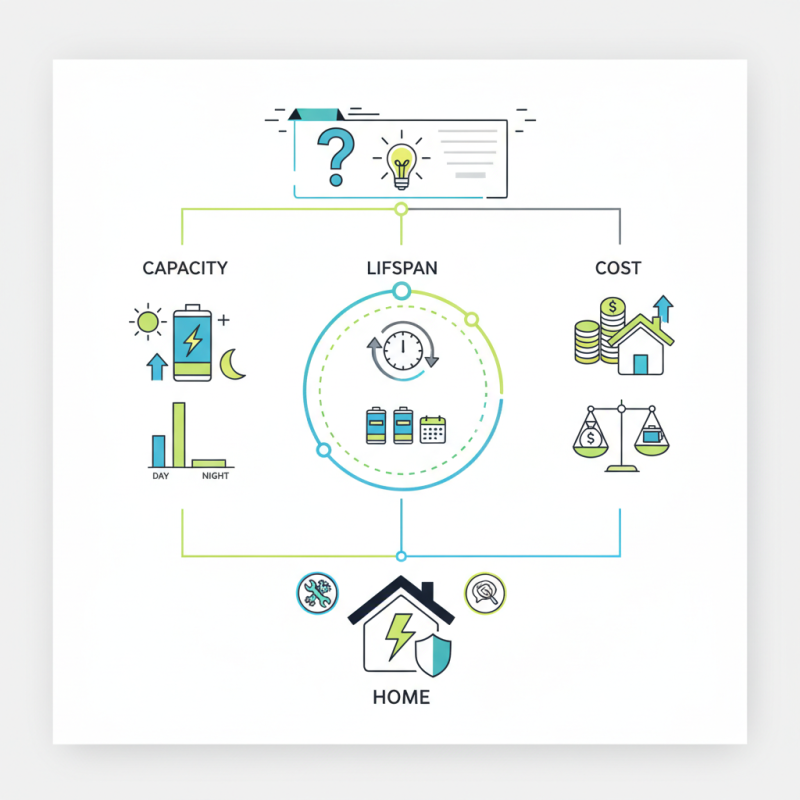
Choosing the right battery is not straightforward. Different homes have different power requirements. Factors such as battery capacity, life span, and pricing come into play. High-capacity batteries can store excess solar energy during the day, allowing for usage at night. However, they can also be a significant investment. It’s crucial to weigh these aspects against your budget and energy needs.
There is no one-size-fits-all answer. Each battery system has pros and cons. Thus, decisions should be based on individual circumstances and preferences. A thorough evaluation of options is necessary. This will ensure the chosen system provides reliable power when needed the most.
Home battery systems have become essential for reliable backup power. As the demand for renewable energy grows, many homeowners are considering these systems. They provide a safety net during outages and help manage energy costs. According to a report by the U.S. Energy Information Administration, over 50 million Americans experienced power outages in 2022, highlighting the increasing need for dependable home energy solutions.
Modern home batteries typically store energy from solar panels or the grid. Systems can vary widely in capacity, with some offering more than 10 kWh of storage. This is suitable for homes with substantial energy needs. A study by the National Renewable Energy Laboratory found that homes equipped with battery storage can reduce reliance on the grid by 30% to 50%. However, installation costs can be a barrier. Many homeowners face challenges in accurately assessing their energy needs and potential savings.
The effectiveness of home battery systems can depend on several factors. Not all systems are compatible with every type of home energy setup. Climate can also affect performance, as colder temperatures may reduce battery efficiency. Homeowners are often left navigating a complex landscape of options. It’s vital to weigh the long-term benefits against the initial investment. Understanding the technology and its limitations is crucial for making informed decisions.
When choosing a home battery, various key features should be considered to ensure reliable backup power. Battery capacity is crucial. It measures how much energy the battery can store. A larger capacity will support more appliances. However, larger batteries can be more expensive. It's essential to balance capacity with your budget and needs.
Another important factor is discharge rate. This indicates how quickly the battery can release its stored energy. A higher discharge rate can power heavy appliances during an outage. However, batteries with high discharge rates may deplete faster. It's vital to understand your energy consumption patterns. Also, consider the battery's lifespan. Longer lifespans reduce the frequency of replacements.
Pay attention to the warranty offered. A robust warranty suggests reliability. It also reflects the manufacturer’s confidence in their product. Additionally, examine charging options. Some batteries charge faster using solar power or grid electricity. This can provide flexibility. While newer technologies may seem appealing, they often come with a steep learning curve. Don’t overlook user reviews; they offer insight into real-world performance. Reflect on your unique situation to make an informed choice.
This chart displays key features of top home batteries, including capacity, weight, cycle life, warranty, and price. It helps consumers make an informed decision when choosing the best backup power solution for their homes.
When planning for power outages, having a reliable home battery system is crucial. These systems provide backup power, ensuring essential devices remain operational. Many homeowners now seek solutions that are both efficient and environmentally friendly. A good home battery can last for years and withstand various weather conditions.
Choosing the right battery involves understanding your needs. Some batteries offer more capacity than others. A larger capacity means more devices can run longer during an outage. However, higher capacity comes with a price. Not all families require large systems. Smaller units may suffice for essential appliances.
Installation is another critical factor. Proper installation ensures the battery functions optimally. Some homeowners find the installation process overwhelming. They may need professional help, increasing initial costs. Carefully weighing options is important. Energy efficiency, reliability, and even design choices should influence your decision. Evaluation of long-term benefits versus short-term costs can also lead to a better choice.
When choosing a home battery for backup power, performance and capacity are crucial factors. Recent studies reveal that residential batteries vary significantly in their ability to store energy and deliver it when needed. For instance, some models support longer discharge times, but they may have lower capacity ratings. In contrast, others can provide higher output but may deplete their energy reserve more quickly.
A notable finding indicates that batteries with a capacity of 10 kWh can typically support an average household's essential appliances for several hours. However, operational efficiency also plays a role. Efficiency ratings can fluctuate between 80% to 95%, impacting how much of the stored energy is actually usable. Not all units maintain performance in varying temperature conditions, which is often overlooked.
Cost is another consideration. Price per capacity varies widely, with some batteries costing as much as $1,200 per kWh. This raises the question of value versus demand. Are consumers paying too much for features they may never use? The industry still grapples with these complexities, which can lead to poor decision-making among buyers. Understanding these nuances is vital for making informed choices.
When considering home battery systems, maintenance and safety are crucial. Regularly check for any signs of wear and tear. Look for leaks or corrosion on terminals. Keep the area around the battery clean and dry. A tidy space minimizes fire hazards and improves overall performance.
Think about refreshing the battery's software. Many modern units have built-in systems that can update automatically. If yours doesn't, check the manufacturer’s website for updates. Performing this can enhance its efficiency and safety.
Remember to store batteries in a cool, dry place. Extreme temperatures can shorten their lifespan. Consider using a dedicated cabinet to minimize exposure to heat sources. Regular maintenance ensures that your system remains reliable and effective. Always stay informed about safety measures to protect your home and family.
: Home battery systems provide reliable backup power during outages and help manage energy costs effectively.
Home batteries typically store energy from solar panels or the grid, enhancing energy independence.
Some modern batteries offer over 10 kWh of storage, suitable for homes with higher energy needs.
Performance varies by compatibility with home setups, climate conditions, and insulation levels.
Assess your energy needs, desired capacity, installation requirements, and evaluate long-term benefits.
Installation can be overwhelming and may require professional help, adding to initial expenses.
Batteries with a 10 kWh capacity can support essential appliances for several hours, depending on efficiency.
Colder temperatures may reduce efficiency, which is often overlooked in battery choices.
Price varies widely, and understanding value is crucial to avoid overpaying for unnecessary features.
Evaluating immediate costs versus potential long-term savings is vital for informed decision-making.
When considering the question "What is the best home battery for backup power," it's essential to understand the various home battery systems available. The article starts with an overview of these systems, emphasizing the importance of reliable backup power in the event of an outage. Key features to consider include battery capacity, efficiency, lifespan, and installation requirements, which are vital in making an informed decision.
The top 10 home batteries are then explored, comparing their performance and capacity to help homeowners identify the best options for their needs. Additionally, the article provides valuable maintenance and safety tips to ensure the longevity and effectiveness of home battery systems. By considering these factors, individuals can choose a home battery that offers both reliability and peace of mind during unexpected power outages.

Sliver Battery