Choosing the right Weatherproof Solar Battery is crucial for reliable energy storage. With increasing reliance on renewable energy, ensuring that your battery can withstand harsh weather conditions is essential. It protects your investment and guarantees efficiency. Many products claim to be weatherproof, but not all meet high standards.
Consider factors like materials, waterproof ratings, and temperature resilience. Each of these elements plays a crucial role in the battery's durability. A poorly designed Weatherproof Solar Battery may not perform well under stress. You might think all options are the same, but they vary significantly in quality and reliability.
Reflect on your specific needs and environment. Not every battery will suit every location. Understanding the local climate is vital. Making the wrong choice could lead to ineffective energy storage. Assessing features with detailed attention ensures you select the best product for your situation.
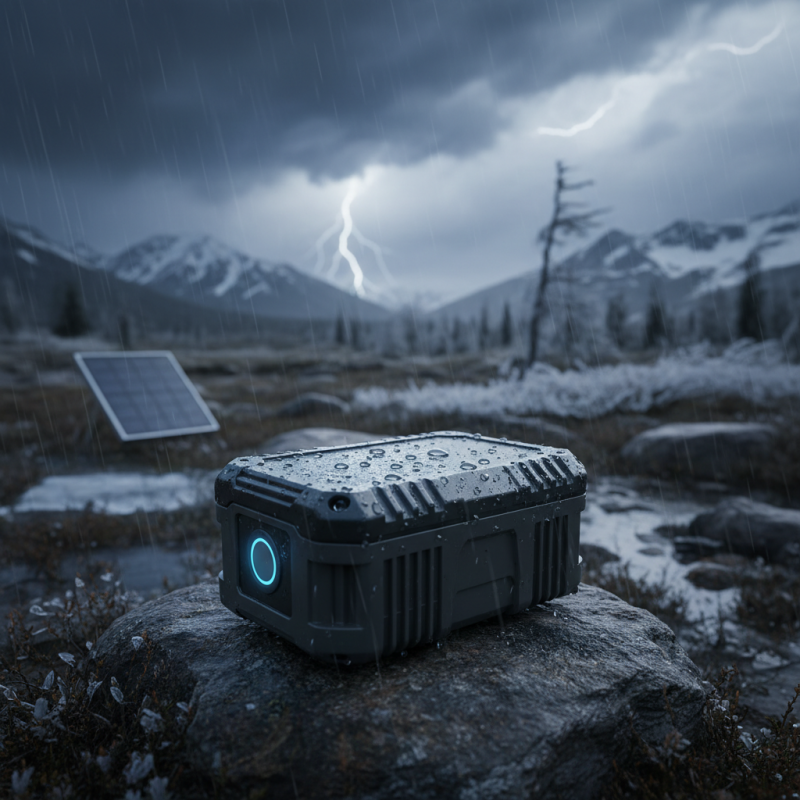
When selecting weatherproof solar batteries,
consider the environment where they will operate. Temperature fluctuations can affect battery performance. For robust solutions,
batteries should withstand extreme heat and cold. According to the Solar Energy Industries Association,
quality batteries often perform better under diverse weather conditions.
Battery capacity is another key factor. A higher capacity can store more energy for cloudy days.
Look for models providing sufficient amp-hours to ensure reliability. Reports indicate
that efficient batteries can prevent energy loss. Corrosion resistance is critical, especially in coastal areas where salt can degrade materials over time.
Finally, pay attention to installation locations. Ensure proper ventilation and drainage.
Even weatherproof models need protection during heavy storms or floods. Sometimes, unexpected issues can arise. This reality highlights the importance
of planning for maintenance and potential repairs. Engaging with solar energy experts can provide additional insights.
Weatherproof solar battery solutions come in various types. Each type has its unique features and benefits. Understanding these can help you make a sound decision. Gel batteries are popular for their durability. They can withstand harsh weather conditions. However, they require regular maintenance. Lithium-ion batteries are highly efficient. They offer longer life spans and require less upkeep. Still, their initial cost can be quite high.
Another option is AGM batteries. They are sealed, preventing leaks. This makes them ideal for wet environments. However, they are heavier than other types. Understanding the pros and cons of each type is crucial. Not all solutions will fit your needs perfectly. Make sure to assess your specific conditions. Will they be placed in extreme temperatures? How much sunlight will they receive?
Reflecting on these questions is important. Choosing the right battery can significantly impact performance. Know that even the best options need careful handling. Weatherproofing features can diminish over time. Regular checks are necessary to ensure reliability. In your quest for the ideal solution, remember that nothing is flawless. Consider potential drawbacks before making a purchase.
| Battery Type | Capacity (Ah) | Voltage (V) | Weather Resistance Rating | Expected Lifespan (Years) | Weight (kg) |
|---|---|---|---|---|---|
| Lithium-ion | 100 | 12 | IP67 | 10 | 15 |
| Lead Acid | 150 | 12 | IP65 | 5 | 25 |
| Gel | 200 | 12 | IP66 | 8 | 30 |
| AGM | 120 | 12 | IP66 | 7 | 26 |
| Lithium Iron Phosphate | 200 | 12 | IP68 | 12 | 20 |
When choosing battery solutions for harsh environments, capacity and lifespan are crucial. A battery's capacity, measured in amp-hours, determines how much energy it can store. Consider your specific energy needs. A higher capacity is essential for devices with high energy demands. However, more capacity often leads to increased weight and size. Sometimes smaller batteries are easier to manage but might not meet all requirements.
Lifespan is equally important. Look for batteries designed to withstand extreme temperatures and humidity. This can extend their service life significantly. Keep in mind, some batteries may perform well initially but degrade faster under stress. Check performance ratings in varying conditions. It’s also wise to investigate how they age over time. Regular testing can reveal unexpected issues. Balancing capacity and lifespan is a complex task; don't be afraid to seek further advice on optimizing your choices.
When choosing solar battery solutions, it's crucial to assess their performance in extreme weather. Batteries must withstand heat, cold, and moisture. Some have better thermal regulation, while others may fail in harsh conditions. So, it's wise to understand how materials and designs impact durability.
Pay attention to IP ratings. An IP65 rating indicates dust-tight and water-resistant features. This is important for areas that experience heavy rain or snow. Additionally, consider temperature ranges. Many batteries can operate within a set temperature range. Exceeding this range may lead to reduced efficiency or damage.
It's also helpful to check customer reviews. Real-life experiences can highlight issues you might not have considered. Look for feedback on battery performance during storms or heatwaves. A battery might seem ideal, but extreme weather could expose weaknesses. Testing batteries in simulated conditions can provide insight but might not reflect real-life usage.
Investing time in research pays off. Ensure your chosen battery can handle your local climate. This will help avoid disappointments when the weather takes a turn for the worse.
Choosing weatherproof solar batteries is crucial for outdoor energy storage. To ensure longevity, maintenance should be a priority. Regular inspections can help identify issues early. Check for signs of wear and tear. Look for corrosion on terminals. Even small problems can lead to bigger failures.
Cleaning is another important step. Dust and debris can accumulate, affecting performance. A simple wipe-down can enhance efficiency. Use a soft cloth to avoid scratching surfaces. If you notice leaks, it’s time to evaluate the integrity of the battery. Leaks can indicate deeper problems.
Temperature fluctuations also affect battery life. Store your batteries in optimal conditions when not in use. Extreme heat or cold can degrade performance. Be aware that even the best batteries need care. Monitor their performance over time. Keeping a maintenance log could be beneficial.
: They are batteries designed to withstand various weather conditions. Each type has unique features and benefits.
Gel batteries are durable and can endure harsh weather. However, they need regular maintenance.
Lithium-ion batteries are highly efficient and last longer. Their initial cost can be higher, though.
AGM batteries are sealed and prevent leaks. They are suitable for wet environments but are heavier.
Batteries must endure heat, cold, and moisture. Some perform better than others in harsh conditions.
An IP65 rating signifies dust-tight and water-resistant features, essential for areas with heavy rain or snow.
Reviews provide real-life insights into performance, especially during storms or heatwaves.
It helps understand durability but may not reflect actual usage scenarios.
Many batteries work within specific temperature limits. Exceeding these can reduce efficiency or damage.
Research local climate conditions ensures the battery can handle unexpected weather changes.
When selecting a Weatherproof Solar Battery, there are several critical factors to consider to ensure optimal performance in various environmental conditions. Firstly, understanding the different types of weatherproof solar battery solutions available can help you choose one that aligns with your specific needs. Important characteristics to evaluate include battery capacity and lifespan, especially in harsh environments where extreme weather conditions can impact performance.
Additionally, it is crucial to assess how these batteries perform during inclement weather, such as heavy rain or extreme temperatures. Regular maintenance practices can significantly extend the longevity of your weatherproof solar batteries, ensuring they remain efficient over time. By focusing on these aspects, you can make an informed choice that will provide reliable energy storage despite the elements.

Sliver Battery