How to Save Money with China Top Home Batteries?

Time:2026-09-23 Author:Charlotte
0%

Energy costs rarely rise in a straight line. A home battery can reduce bills by storing cheaper electricity and using it during expensive hours. China’s leading battery manufacturers now offer lithium iron phosphate systems, modular designs, and smart energy controls for residential use.

But the lowest purchase price does not always create the best return. How to save money with a home battery depends on usable capacity, battery efficiency, cycle life, installation costs, and local electricity tariffs. A system that looks affordable may perform poorly if it cannot communicate with your inverter. It may also waste energy during charging and discharging.

Real savings begin with accurate household data. Review twelve months of electricity bills. Note your evening consumption, solar production, and peak-rate periods. Then compare several battery sizes rather than choosing the largest model. A family using most electricity after sunset may benefit from a 10 kWh battery. A smaller household could need far less.

Check warranty terms carefully. Look for stated capacity retention, operating temperature limits, safety certifications, and local service support. Independent testing and qualified installation matter. Product pages alone are not enough.

The calculation is not perfect. Electricity prices can change. Battery performance can decline. Cloudy weeks may reduce solar charging. That uncertainty deserves honest attention. A reliable decision balances upfront cost, expected savings, safety, and long-term support, not just a factory quotation. The best battery is the one that fits your daily energy pattern and remains practical years later.
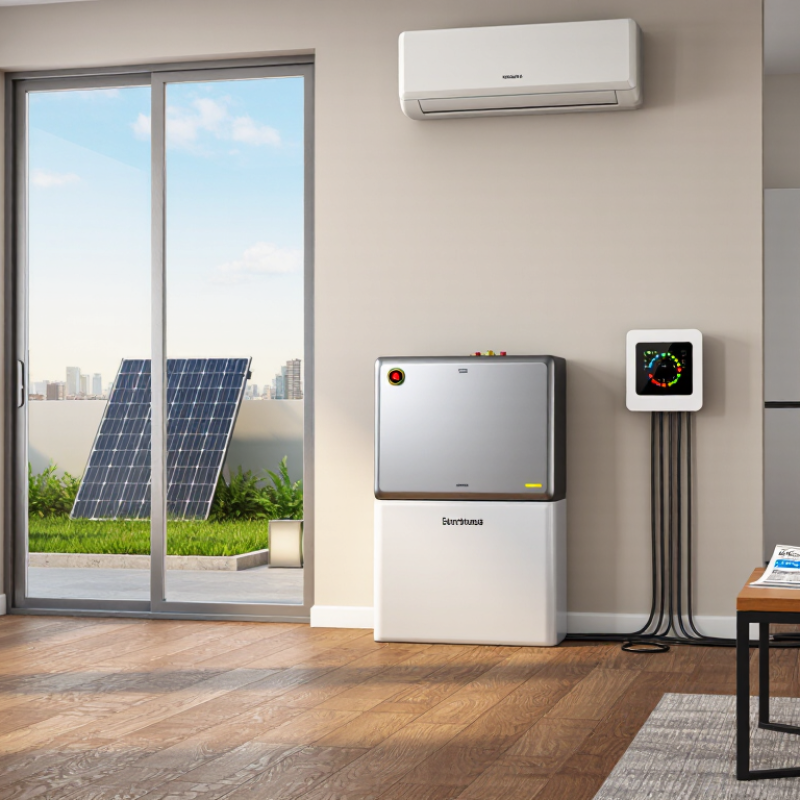
How to Save Money with China Top Home Batteries?

Understanding How China’s Top Home Batteries Reduce Household Energy Costs

How to Save Money with China Top Home Batteries?

China-made home batteries can reduce household energy costs by storing electricity when prices are low. They can discharge during expensive evening hours. This simple timing shift matters most in homes with time-of-use tariffs.

BloombergNEF reported that average lithium-ion battery prices reached 115 dollars per kWh in 2024, down 20% from 2023. Lower cell prices can make residential storage more affordable, although installation, inverters, maintenance, and financing still affect the final return. The International Energy Agency also reported strong global growth in battery storage deployment during 2023. More production has improved supply, but cheaper equipment does not automatically mean better savings.

A suitable system should match daily electricity use, rooftop solar output, and local tariff rules. For example, a battery may charge at midnight and support cooking, lighting, and air conditioning after 6 p.m. A professional installer should check usable capacity, round-trip efficiency, cycle life, thermal protection, and warranty conditions. Independent testing and compliance with recognized electrical standards remain essential.

The math is not always flattering. Oversizing the battery can extend payback. Cloudy weeks can reduce solar charging. Household habits matter, too. A 10 kWh battery is not automatically economical. Regular monitoring can reveal whether the system is actually avoiding peak prices, rather than simply moving electricity around. Data from the U.S. National Renewable Energy Laboratory shows that storage value depends heavily on rate design, solar production, and dispatch strategy. (NREL, 2024)

How Top Home Batteries Reduce Household Energy Costs

Larger usable battery capacity can increase annual electricity-bill savings by storing lower-cost or excess solar energy and using it during higher-rate periods. The estimates assume 250 charge-discharge cycles per year, a $0.15 per kWh peak-to-off-peak price difference, and 90% round-trip efficiency. Actual savings vary by electricity tariff, solar production, household consumption, and local regulations.

Comparing Battery Types, Capacity, Lifespan, and Total Ownership Costs

How to Save Money with China Top Home Batteries?

Battery type shapes the real bill more than the purchase price.

Lithium iron phosphate batteries usually deliver 3,000–6,000 cycles, while lead-acid units often provide only 500–1,200 cycles.

Nickel-based batteries can be lighter, but they may cost more and age faster under daily heat.

The U.S. Department of Energy reports typical lithium-ion round-trip efficiency near 85%–95%. That means a 10 kWh battery may return only 8.5–9.5 kWh after charging losses. Small details matter.

Capacity should match your evening load, not your wish list.

A household using 8 kWh after sunset may need a 10–12 kWh unit after reserve margins and ageing.

Keeping a 10%–20% backup reserve protects emergency power, but reduces usable energy every day.

BloombergNEF’s 2024 Battery Price Survey reported average lithium-ion pack prices of 115 dollars per kWh, down 20% year on year. That figure excludes inverters, wiring, permits, installation, and service. Home systems cost more.

My first spreadsheet looked convincing. It was incomplete.

I ignored inverter replacement and winter efficiency.

A better ownership calculation divides total costs by delivered lifetime energy: purchase, installation, financing, maintenance, replacements, and electricity savings. Lazard’s 2024 Levelized Cost of Storage report shows lithium-ion costs vary widely with duration and utilization.

Daily cycling can improve value, but occasional backup use may not.

Check local tariffs carefully.

A cheap battery with low utilization can become expensive storage. Dramatically expensive.

Choosing the Right Home Battery for Your Energy Usage and Budget

Choosing a home battery should begin with your daily energy pattern, not its advertised capacity. Review twelve months of utility bills and identify evening consumption, outage needs, and solar production. A household using 12 kWh after sunset may need 10–14 kWh of usable capacity, depending on backup priorities. Usable capacity matters more than the headline number. Measure first. Include the refrigerator, lights, router, and water pump. High-power appliances can drain a small battery quickly.

Your budget should include installation, wiring changes, permits, monitoring equipment, and possible maintenance. Compare the total installed cost with expected savings from shifting solar power into evening hours. A battery with 90% round-trip efficiency loses less energy than one rated at 75%. Still, efficiency alone should not decide the purchase. Check cycle life, operating temperature, warranty terms, and local service availability. Ask a qualified installer to verify load calculations and electrical compatibility. Cheap upfront. Expensive later.

For modest energy use, a smaller battery may deliver better value than a large backup system. Families with electric heating or vehicle charging need a different design. Set a reserve level, such as 20%, for outages and avoid sizing around rare peak days. My planning mistake would be trusting average consumption; winter evenings can change the result sharply. Request itemized quotes and test the payback using conservative energy prices. Leave space for future solar or demand changes, but do not pay for capacity you may never use.

Installing and Using a Home Battery to Maximize Daily Savings

A home battery saves money when it follows your household’s daily electricity pattern. In practice, installation should begin with twelve months of utility bills, not a sales estimate. Mark your evening peak, solar production hours, and outage priorities. A licensed electrician can check the main panel, wiring, ventilation, and local permit requirements. The battery should sit in a dry, accessible area, away from heat and stored materials.

Safety comes before savings.

Set the system to charge during low-cost hours or from surplus solar. Then discharge during expensive evening periods. This simple schedule can reduce grid purchases without changing normal routines. Keep a reserve for outages, but choose it carefully. A 20% reserve may protect essential circuits, while a 50% reserve can reduce daily savings. Compare your tariff, battery capacity, usable energy, and round-trip efficiency before changing settings. Smart controls are useful, yet they can misread unusual workdays or seasonal demand.

Track the result for at least four weeks. Record charged kilowatt-hours, discharged kilowatt-hours, and peak prices. Small details matter. A battery may cycle less than expected during cloudy weather. I once assumed a full evening discharge was always efficient; it was not when overnight prices were nearly equal. Review the data monthly and adjust charging windows gradually. Include maintenance checks and eventual replacement costs in the calculation. Savings look better when every assumption is visible.

Evaluating Solar Compatibility, Backup Power, Incentives, and Long-Term Value

How to Save Money with China Top Home Batteries?

A quality home battery saves money only when it matches your solar system and daily load. Check inverter voltage, MPPT range, communication protocols, and usable capacity before comparing prices. A 10 kWh battery may cover evening lighting, refrigeration, routers, and a small heat pump. It may not run an electric cooker and air conditioner together. Power rating matters as much as capacity.

The International Energy Agency reported in Batteries and Secure Energy Transitions (2024) that lithium-ion battery prices fell sharply during 2023. However, battery cells are not the full installation cost. NREL’s U.S. Solar Photovoltaic System and Energy Storage Cost Benchmarks show that installation, inverter equipment, labor, and permitting can materially change payback. Select a system with documented round-trip efficiency, thermal protection, cycle data, and a clear degradation warranty. Cheap is not always economical. I learned that the hard way.

Backup value depends on local outages and electricity tariffs. Time-of-use pricing can reward charging from midday solar and discharging during expensive evening hours. Export limits may reduce those savings. Incentives also differ by country, region, and tax status; verify current rules with an official energy authority. BloombergNEF’s 2024 battery price survey reported an average lithium-ion pack price of 115 dollars per kWh, but residential systems cost more after integration and service. Review ten-year assumptions, including capacity loss, replacement risks, monitoring fees, and maintenance. A spreadsheet is useful, but real household habits remain imperfect.

How to Save Money with China Top Home Batteries? - Evaluating Solar Compatibility, Backup Power, Incentives, and Long-Term Value

Evaluation Dimension Typical Residential Range Recommended Target Potential Financial Benefit
Battery chemistry Lithium iron phosphate (LFP) is widely used for residential storage. Choose LFP when safety, cycle life, and frequent daily use are priorities. Longer usable life can reduce replacement risk and lower lifetime cost.
Usable energy capacity 5–30 kWh for typical residential systems. Approximately 10–15 kWh for essential-load backup in an average home. Avoids paying for unused capacity while covering evening use and short outages.
Solar compatibility AC-coupled and DC-coupled systems are both common. Use DC coupling for a new solar installation; consider AC coupling for an existing system. Better system matching can reduce installation changes and conversion losses.
Round-trip efficiency Approximately 88%–95%, depending on the battery and inverter arrangement. Target at least 90% at the complete system level. Higher efficiency preserves more solar energy for later use and improves bill savings.
Continuous power output 3–10 kW per residential battery unit; higher output may require multiple units. At least 5 kW for essential loads; allow additional surge capacity for motors and pumps. Prevents overspending on capacity that cannot power the required appliances.
Backup duration Around 8–24 hours for essential loads, depending on consumption and battery size. Prioritize refrigeration, lighting, communications, internet, and medical equipment. Load prioritization can provide practical backup without purchasing a very large battery.
Cycle-life expectation Approximately 4,000–8,000 equivalent full cycles for many LFP products. Look for a 10-year warranty with clearly stated capacity-retention terms. A longer warranted service period may reduce the annualized ownership cost.
Capacity retention Many warranties specify approximately 70%–80% retained capacity at the warranty term. Compare retained capacity, cycle limits, throughput limits, and operating conditions. A higher guaranteed end-of-warranty capacity can improve long-term value.
Indicative installed cost Approximately US$1,000–US$2,000 per usable kWh, including common installation costs. Request itemized quotations for hardware, inverter, labor, permits, and critical-load wiring. Comparing total installed cost prevents a low equipment price from hiding high project costs.
Federal incentives Eligibility and credit rates depend on current federal tax law, installation date, and project structure. Confirm eligibility with a qualified tax professional before relying on an incentive. A qualifying tax credit can materially reduce net project cost.
State and utility incentives Programs vary by location and may include rebates, loans, or time-of-use support. Check program rules before purchase because funding and application windows may change. Local rebates can shorten the payback period more than a small hardware-price difference.
Time-of-use bill savings Savings depend on the difference between off-peak and peak electricity rates. Use automated charging and discharging only when the tariff structure supports it. Daily peak-rate avoidance may provide more value than occasional outage protection.
Solar self-consumption A battery can store midday surplus for evening and overnight use. Size storage using actual solar production, household load, and export compensation. Using more self-generated electricity may be valuable where export rates are low.
Break-even assessment Simple payback commonly ranges from approximately 7–15 years, but varies substantially. Calculate net cost after incentives, annual savings, degradation, financing, and replacement risk. A smaller, well-utilized system generally offers better value than an oversized system.
Data note: Figures are indicative U.S. residential market ranges rather than brand-specific specifications. Actual performance, savings, incentive eligibility, warranty coverage, and payback depend on location, electricity tariffs, climate, installation design, financing, and local regulations.

FAQS

How can a home battery reduce electricity costs?

It charges when electricity prices are low and supplies power during expensive evening hours. Timing matters.

What household information should guide battery selection?

Review twelve months of bills, evening usage, solar output, and outage needs. Measure first.

Is a 10 kWh battery suitable for every home?

No. Usable capacity matters more than the advertised figure. A 10 kWh battery is not automatically economical.

Which appliances should be included in the load calculation?

Include the refrigerator, lights, router, water pump, and essential medical or communication equipment. High-power appliances drain batteries quickly.

What costs should buyers include in their budget?

Include the battery, inverter, installation, wiring, permits, monitoring, maintenance, and possible financing costs. Cheap upfront. Expensive later.

How does round-trip efficiency affect savings?

A system rated at 90% efficiency loses less energy than one rated at 75%. Efficiency still is not everything.

Can solar production affect the battery’s financial value?

Yes. Cloudy weeks may reduce charging, while strong daytime solar can support evening use. Weather complicates the math.

How can a household check whether the battery is saving money?

Monitor charging, discharging, peak-price avoidance, and backup use regularly. The data may challenge your expectations.

Should homeowners reserve battery capacity for outages?

Yes. A reserve near 20% can preserve emergency power for lights, refrigeration, and communication. Exact needs vary.

What planning mistake should buyers avoid?

Do not size the system only around average consumption. Winter evenings, heating, and vehicle charging can sharply change demand.

Conclusion

How to save money with a home battery depends on matching the system to your household’s energy habits and budget. A well-sized battery can store electricity when rates are lower or when solar production is high, then provide power during expensive peak periods. This can reduce grid purchases, improve solar self-consumption, and offer useful backup power during outages. When comparing options, consider battery chemistry, usable capacity, charging efficiency, expected lifespan, warranty coverage, installation expenses, and total ownership cost rather than focusing only on the purchase price.

To maximize daily savings, review your electricity bills, estimate evening and overnight consumption, and choose a capacity that avoids unnecessary overspending. Professional installation, safe operation, and smart energy scheduling can further improve performance. Solar compatibility, available incentives, maintenance needs, and future energy prices should also be included in the long-term evaluation. With careful planning and realistic usage expectations, a home battery can provide lower energy costs, greater energy independence, and dependable value over many years.

Charlotte

Charlotte

Charlotte is a seasoned marketing professional with a deep understanding of the company's portfolio and a passion for elevating its presence in the market. With a keen eye for detail and a commitment to excellence, she ensures that our professional blog is regularly updated with insightful articles......