How to Save Money with a Home Battery by 2026 Canton Fair?

Time:2026-03-27 Author:Aria
0%

In the pursuit of energy efficiency, many homeowners are considering new technologies. One of the most promising solutions is a home battery system. According to energy expert Sarah Johnson, “How to save money with a home battery is all about smart consumption and timing.” Her insights highlight the potential for significant savings.

Home batteries allow users to store energy generated from solar panels or during off-peak hours. This stored energy can then be used during peak hours, reducing dependence on grid power. Imagine charging your battery during the day when electricity rates are lower and using that power in the evening when rates rise.

Yet, homeowners must consider the upfront costs of installation. Investing in a home battery may seem daunting. Additionally, not all homes will benefit equally. The effectiveness depends on individual energy usage patterns. Understanding this could lead to better financial decisions. Each household must evaluate their own needs and the potential savings. This thoughtful approach may prove crucial in maximizing the benefits of home battery systems by 2026 and beyond.
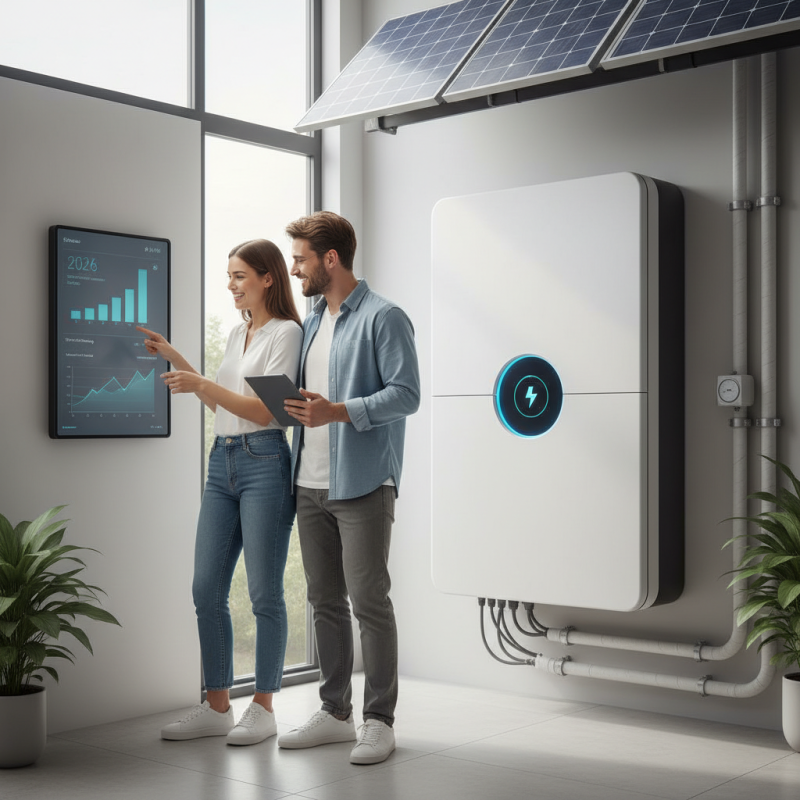
How to Save Money with a Home Battery by 2026 Canton Fair?

How Home Batteries Can Reduce Electricity Bills by Up to 60%

Home batteries are transforming how we manage our electricity usage. By storing energy during off-peak hours, these batteries can help reduce utility costs. Imagine slashing your electricity bill by up to 60%. That's a significant saving for any household.

Using a home battery allows you to tap into renewable energy sources. Daytime solar energy can be stored and used at night. This capability is crucial for maximizing energy savings. However, it requires upfront investment and careful planning. Not all homes may benefit equally from this technology.

Some residents hesitate due to the initial costs. The technology is still evolving, and maintenance can be an issue. Understanding the full potential and limitations is vital. It's essential to analyze your energy consumption patterns. This analysis helps determine if a home battery is a wise choice for you.

The Impact of Rising Energy Prices on Household Budgets

Households are feeling the pinch from rising energy prices. Data from the U.S. Energy Information Administration indicates that residential electricity prices have increased by over 15% since 2020. This hike directly impacts monthly budgets. Many families now spend more than a quarter of their monthly income on energy bills. This is a significant burden for low and middle-income households.

The growing use of home batteries can offer a lifeline. Battery storage systems can store energy during off-peak hours. This energy can then be used during peak hours when prices are highest. According to a report by Wood Mackenzie, energy storage installations are expected to grow rapidly, reaching over 10 gigawatts by 2025. This could help families offset energy costs. However, the initial investment can be daunting for some, and many might hesitate due to the high upfront costs. There are still questions about return on investment.

Moreover, homeowners may not fully understand their energy consumption patterns. Without proper monitoring, they might miss the chance to maximize savings. Engaging with energy management tools can help address this. Balancing immediate costs with long-term savings remains a challenge for many families.

Key Features of Home Batteries to Maximize Savings

Home batteries can significantly cut your energy costs by 2026. The potential savings depend on a few key features. One essential aspect is the battery's capacity. Larger batteries store more energy for later use. This could lower your dependence on the grid. According to a 2023 report from the International Energy Agency, households with home batteries could save up to 50% on their electricity bills. That’s a substantial amount.

Another feature to consider is the battery’s efficiency. High-efficiency batteries convert more stored energy into usable power. Some models reach efficiencies of 95% or higher. This means less energy wasted. While choosing a system, check the round-trip efficiency. It’s critical to get the most bang for your buck. Additionally, smart technology integration is emerging as a must-have feature. These systems optimize energy usage based on real-time data. A study by the U.S. Department of Energy highlighted that smart batteries can reduce costs by an average of 20%.

On the contrary, the initial investment can deter some homeowners. While long-term savings are clear, the upfront cost is significant. This creates a potential barrier for many. Moreover, battery performance can vary widely based on usage patterns and local grid conditions. Regular assessments are necessary to ensure your chosen battery remains cost-effective over time.

Innovative Home Battery Technologies Expected by 2026

The landscape of home battery technology is rapidly evolving. By 2026, innovative solutions are set to redefine energy storage. A recent report highlights that the global home battery market could reach over $4 billion by 2026. This growth can be attributed to an increasing demand for renewable energy and energy independence.

One notable trend is the rise of smart batteries. These devices can optimize energy use based on consumption patterns. It’s estimated that homeowners could save up to 30% on energy costs with such systems. The integration of AI into battery management systems is also on the horizon. These advancements may lead to batteries that learn and adapt over time. Yet, potential drawbacks remain. The initial investment for these technologies can be significant. Many homeowners still hesitate due to high upfront costs.

Additionally, the efficiency of battery recycling is a growing concern. As more units are installed, the end-of-life handling of these systems must be addressed. Current recycling methods are not yet adequate to deal with the increasing volume of used batteries. Consumers will need to weigh the environmental impact of their choices alongside potential savings. Balancing technology adoption with sustainability will be crucial in the coming years.

Cost-Benefit Analysis of Home Battery Installation and ROI

Home battery systems are increasingly seen as a smart investment for homeowners. According to a report by the U.S. Department of Energy, installing a home battery can reduce energy costs by up to 30%. The initial setup can be costly, ranging from $5,000 to $15,000, depending on the capacity and technology selected. However, many states offer tax incentives and rebates, which can offset these expenses significantly.

A cost-benefit analysis shows that homeowners could recover their investment in five to seven years. For example, if a household typically pays $200 monthly for electricity, using a battery can lower this bill by $60. This savings builds up quickly, making the battery a smart choice. Yet, potential buyers should consider the battery’s lifespan. Most batteries last about 10 years. After that, additional costs may arise.

While the benefits seem clear, some issues need attention. Battery performance may degrade over time. Not all households will see the same savings; factors like energy usage patterns and local electricity rates vary widely. Homeowners must evaluate their specific circumstances before making a decision. An informed choice can lead to significant savings and sustainability.

FAQS

: What are home batteries used for?

: Home batteries store energy to reduce electricity bills. They help manage electricity usage effectively.

How much can I save on my electricity bill?

With home batteries, you can potentially save up to 60% on your electricity bills.

Why should I consider using renewable energy?

Renewable energy sources, like solar, can be stored and used later. This maximizes energy savings.

What are the initial costs of home batteries?

Home batteries require an upfront investment, which can be high for many homeowners.

Can every household benefit from home batteries?

Not all homes will benefit equally. Some might find better options or more appropriate solutions.

Is maintaining home batteries difficult?

Maintenance can be an issue with home batteries. Understanding the technology is important for performance.

How have energy prices changed recently?

Residential electricity prices have risen over 15% since 2020, affecting household budgets significantly.

What if I don't know my energy consumption patterns?

Without understanding your usage, you may miss out on potential savings with battery systems.

Are there tools to help monitor energy usage?

Yes, energy management tools can provide insights into consumption patterns for better efficiency.

Is investing in a home battery worth it?

Balancing immediate costs and long-term savings is challenging. Evaluate your situation carefully before deciding.

Conclusion

In the face of rising energy prices, understanding how to save money with a home battery is becoming increasingly important for households. Home batteries can dramatically reduce electricity bills by up to 60%, making them a cost-effective solution for energy storage. By harnessing renewable energy sources, homeowners can store excess energy generated during the day and utilize it during peak times, ultimately optimizing their energy consumption.

Looking ahead to 2026, innovative technologies are expected to enhance the functionality and efficiency of home batteries, providing even greater savings. Key features to consider when choosing a home battery include capacity, efficiency, and compatibility with existing energy systems. A thorough cost-benefit analysis reveals the potential return on investment (ROI) for installing a home battery, showing that, in many cases, the long-term financial benefits outweigh the initial costs. Embracing home battery technology is not only a step towards energy independence but also an effective way to manage household budgets in a fluctuating energy market.

Aria

Aria

Aria is a dedicated marketing professional with a deep passion for innovative strategies and a keen understanding of our company's product offerings. With a wealth of experience in the industry, Aria excels at crafting engaging content that highlights the unique features and benefits of our......