How to Know if Your Home Battery is Functioning Properly?

Time:2026-06-22 Author:Madeline
0%

Understanding how to check if a home battery is working well is crucial for homeowners relying on battery power. A properly functioning battery ensures that your appliances and systems run smoothly. Disruptions can lead to inconvenience and potentially expensive repairs.

Start by observing warning signs. Unusual noises, a reduced charge, or flickering lights may indicate an issue. Regular inspections are essential. They help identify problems before they escalate. Familiarize yourself with your battery's specifications to enhance your troubleshooting efforts.

You might feel unsure about your battery's condition. That's normal. Consider consulting with a professional if you notice discrepancies. Their expertise can validate your findings and ensure your home battery functions optimally.
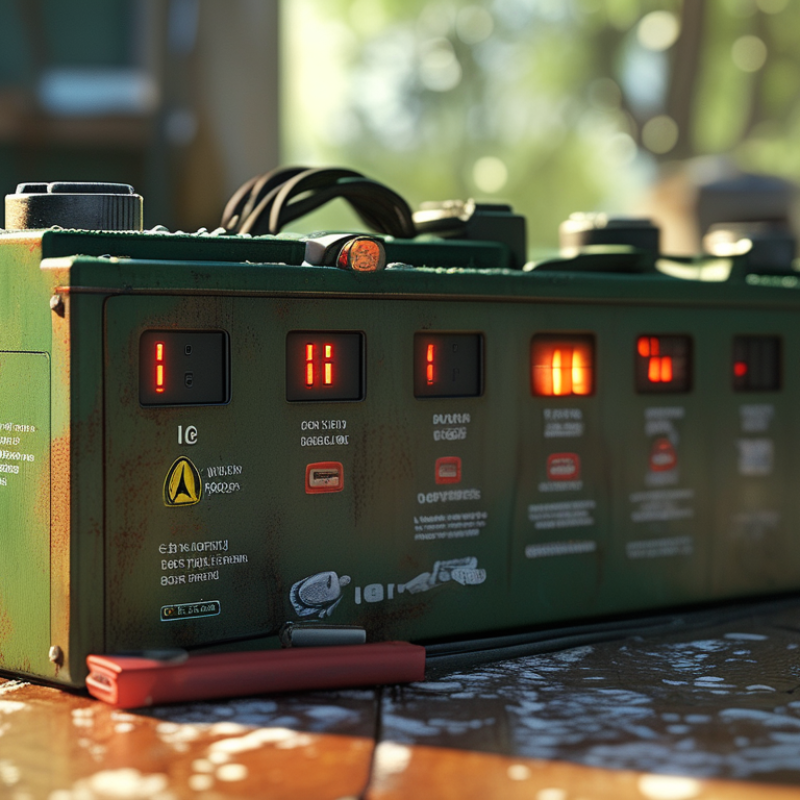
How to Know if Your Home Battery is Functioning Properly?

Signs of a Properly Functioning Home Battery

When assessing the health of your home battery, several signs indicate it is functioning correctly. An efficient battery typically maintains a charge between 80% to 100%. If you notice a drop below this threshold, it may be time to investigate further. Energy providers suggest regular monitoring. Consistent performance without significant voltage fluctuations is essential for optimal function.

Another important aspect is the battery's lifespan. Most home batteries are designed to last between 5 to 15 years. If your battery shows signs of physical wear, such as swelling or leakage, immediate attention is necessary. Industry reports indicate that about 30% of batteries underperform due to environmental factors, such as extreme temperatures. Keeping your battery in an appropriate climate can enhance efficiency and longevity.

Monitoring the system's response time is crucial too. A well-functioning battery should react swiftly to power demands. Delays can indicate underlying issues. Regularly checking these parameters can prevent emergency situations. Experts recommend periodic maintenance checks. This simple step can save money and ensure reliability.

How to Know if Your Home Battery is Functioning Properly? - Signs of a Properly Functioning Home Battery

Sign Description Recommended Action
Consistent Power Output The battery maintains a steady power supply without significant drops. Monitor your devices; if they run steadily, your battery is functioning properly.
No Unusual Noises The battery operates quietly without any unusual sounds. If you hear buzzing or clicking, investigate further.
No Overheating The battery does not get excessively hot during charge or discharge. Ensure proper ventilation and check temperature regularly.
Normal Charging Time The battery charges within the expected time frame as per specifications. If charging takes longer than usual, consider servicing the battery.
Consistent Voltage Levels The voltage output remains stable without frequent fluctuations. Use a multimeter to check voltage readings regularly.

Common Issues That Indicate Battery Malfunction

When assessing your home battery's performance, watch for common issues that reveal malfunctions. A significant sign is diminished capacity. Many batteries lose about 20% of their capacity after two to three years of use. If your battery cannot power your home during peak demands, it may be time for a replacement.

Another crucial indicator is unusual noise. A properly functioning battery operates silently. However, strange sounds, such as buzzing or clicking, may indicate internal damage. Research indicates that more than 15% of battery failures are due to internal faults that manifest this way. Moreover, frequent error codes appearing on your energy management system often suggest deeper issues within the battery.

Temperature fluctuations can also signal problems. Ideal operating temperatures range from 32°F to 113°F. Exceeding these limits can hinder performance. Data shows that excessive heat is responsible for up to 35% of battery degradation. Observe if your battery feels hot to the touch or struggles in extreme weather. These symptoms warrant immediate attention.

Testing Your Home Battery: Tools and Techniques

When it comes to testing your home battery, having the right tools is essential. A multimeter is a great starting point. This device measures voltage, helping you determine if the battery is holding a proper charge. Make sure to check the battery's voltage regularly, ideally every month. Another useful tool is a battery load tester. This can simulate real-world conditions to assess battery performance under load.

Tips: Always follow the manufacturer's manual for specific instructions on testing your battery. It often includes valuable details relevant to your specific battery model.

Additionally, visual inspections should not be overlooked. Look for signs of corrosion on terminals. Corroded connections can lead to poor performance. Clean any corrosion with a mixture of baking soda and water, but remember to wear protective gear.

Tips: If you notice significant wear, consider consulting a professional. They can provide insight into whether your battery needs repairs or replacement. Keep a record of all tests to track performance over time. This will aid in identifying patterns or recurring issues.

Maintenance Tips for Keeping Your Home Battery Healthy

Proper maintenance is essential to keep your home battery functioning efficiently. Regular checks can prevent unexpected issues and prolong its lifespan. Start by checking the battery terminals for corrosion. Corroded terminals can hinder performance. Clean them with a mixture of baking soda and water, then dry completely.

Consider monitoring the battery's state of charge. A battery that frequently runs low may indicate a problem. Use a multimeter to measure voltage. Ideally, it should read between 12.4 to 12.7 volts when fully charged. If it's consistently below 12 volts, think about consulting a professional.

Monitor the battery's temperature as well. Extreme heat or cold can affect performance. Ensure it is well-ventilated and away from direct sunlight to avoid overheating. It’s easy to overlook these details, yet they play a key role in maintaining battery health. Neglecting these checks can lead to shorter battery life and unexpected failures. Regular maintenance is not just about saving money; it ensures that your home energy supply remains reliable.

Home Battery Performance Monitoring

Maintaining your home battery's efficiency is vital. The following bar graph illustrates the average performance metrics of home batteries over a period of six months. Metrics include charge cycles, efficiency percentage, and temperature variations.

When to Seek Professional Help for Battery Problems

When your home battery shows signs of malfunction, it’s crucial to know when to call for help. A report from the Energy Storage Association states that improper battery functioning can decrease efficiency by up to 30%. Recognizing the early indicators can save you from costly repairs or replacements.

If your battery exhibits unusual sounds or leaks, it's often time to consult a professional. These symptoms can indicate serious issues, such as system overload or a failing component. Additionally, if your battery isn’t holding a charge as it used to, do not ignore it. Data from the National Renewable Energy Laboratory suggests that a battery’s lifespan diminishes by as much as 15% each year without proper maintenance.

Moreover, if the battery management system provides warning alerts, taking action quickly is essential. Ignoring these warnings can lead to a complete system failure. Homeowners should also consider the age of their battery. Batteries typically last 5 to 15 years depending on usage and environmental factors. If your unit approaches this age, professional evaluation is highly recommended. Taking the right steps now can prevent larger issues later.

FAQS

: How can I maintain my home battery?

: Regularly check battery terminals for corrosion. Clean them using baking soda mixed with water.

What should I monitor about the battery's charge?

Use a multimeter to measure voltage. It should be between 12.4 to 12.7 volts when fully charged.

What if the battery voltage is below 12 volts?

Consider consulting a professional if the voltage is consistently low. This may indicate a problem.

How does temperature affect battery performance?

Extreme temperatures can impact battery health. Keep batteries well-ventilated and away from direct sunlight.

When should I seek professional help for the battery?

If you hear unusual sounds or see leaks, contact a professional. These can signal serious issues.

What does it mean if the battery doesn't hold a charge?

It may indicate a failing component. Don’t ignore this issue; it can worsen over time.

Why is regular maintenance important?

It prevents potential failures and saves money long-term. Neglected batteries have shorter lifespans.

How long does a battery typically last?

Most batteries last between 5 to 15 years, depending on usage and care.

What happens if I ignore warning alerts?

Ignoring alerts can lead to a complete system failure. Prompt action is crucial for safety.

What percentage can improper functioning decrease efficiency?

Improper battery functioning may reduce efficiency by up to 30%. Early recognition is key.

Conclusion

When it comes to understanding how to check if a home battery is working well, there are several key factors to consider. First, look for signs of a properly functioning battery, such as consistent power output and no unusual noises or smells. Common issues that may indicate a malfunction include sudden power losses or swelling in the battery casing.

To effectively test your home battery, utilize various tools such as multimeters and battery testers to assess performance. Regular maintenance is essential to keep your battery healthy, which includes cleaning terminals and ensuring proper ventilation. If you encounter persistent problems or are uncertain about the battery’s health, it is wise to seek professional help to ensure safety and optimal performance.

Madeline

Madeline

Madeline is a dedicated marketing professional with a wealth of expertise in our company's core offerings. With a keen understanding of the industry, she brings a unique perspective to her role, consistently delivering high-quality content that highlights the superior aspects of our products. As......