How to Maintain Home Solar Batteries Tips for Longevity?

Time:2026-03-20 Author:Mason
0%

When it comes to renewable energy, home solar batteries play a crucial role. They store energy efficiently, ensuring your home can rely on solar power after the sun sets. However, many homeowners struggle with maintaining these batteries properly. Understanding how to maintain home solar batteries is essential for maximizing their lifespan and performance.

Regular maintenance can improve efficiency. Simple actions like checking connections and ensuring proper ventilation can make a difference. For instance, inspect the terminals for corrosion. Ensuring a clean surface enables effective energy transfer. Yet, some may overlook this. Battery life may diminish faster due to neglect, which can lead to higher replacement costs.

Also, consider temperature fluctuations. Extremes can affect battery performance negatively. Keeping batteries cool is important. However, not all homeowners do this. Learning how to maintain home solar batteries involves understanding these factors. Regularly updating maintenance habits enhances both safety and durability, showing that small changes can lead to significant benefits.
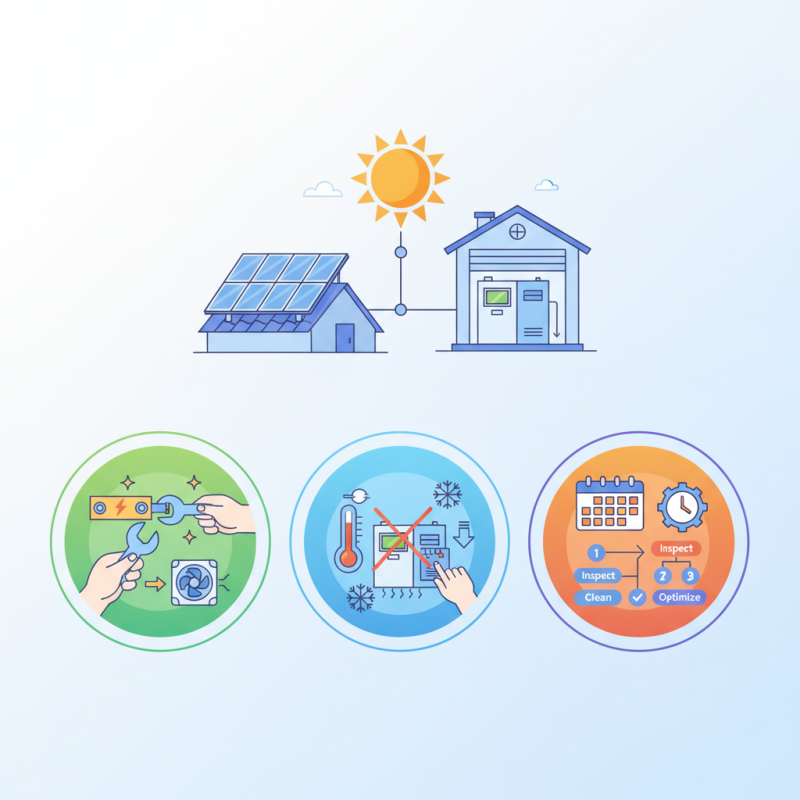
How to Maintain Home Solar Batteries Tips for Longevity?

Understanding Solar Battery Basics for Optimal Maintenance

Maintaining solar batteries requires understanding their basics. These batteries store electricity generated by solar panels. Knowing how they work is crucial for optimal upkeep. Regular checks can prevent unexpected issues.

Tips: Ensure proper ventilation around batteries. Good airflow helps them cool and function better. Keep terminals clean and free from corrosion. This simple act can extend battery life significantly. Monitor the battery charge regularly. Don’t let it drop too low.

Batteries have limits. Overcharging can be harmful. It might lead to reduced lifespan. Think about where you place them. Extreme temperatures affect performance. Ensure your setup promotes a stable environment. Small changes can yield big results in the long term. Your attention matters.

Regular Monitoring: Key Practices for Battery Health

Regular monitoring is essential for maintaining the health of your home solar batteries. Check the battery voltage periodically to ensure it’s in the optimal range. If you notice significant fluctuations, it may indicate an issue. Keep track of the charging cycles. An excessive number can shorten battery life. It’s important to record these details in a notebook or an app. Simple habits can make a big difference.

Inspect the battery’s physical condition as well. Look for corrosion on terminals and clean them as needed. Dust and dirt can accumulate, impacting performance. Ensure proper ventilation around the batteries. Heat can accelerate wear. Look out for swelling or leaks, as these signs often indicate impending failure. Address any concerns promptly.

Operating your batteries within safe limits is also crucial. Don’t over-discharge them, as this leads to capacity loss. Understand how weather affects battery performance. Cold temperatures can reduce efficiency, while excessive heat can cause damage. Awareness is key. Keeping a close eye on these factors fosters better battery longevity.

How to Maintain Home Solar Batteries: Key Practices for Battery Health

This chart illustrates the impact of regular monitoring on the health of home solar batteries over time. The data highlights three aspects: Voltage Level, Temperature, and Charge Cycles, which are critical for maintaining battery longevity.

Optimal Charging Techniques for Solar Batteries

When it comes to solar batteries, optimal charging techniques play a crucial role in their longevity. One important aspect is the charging cycle. Ideally, solar batteries should be charged slowly and steadily. This approach helps to prevent excessive heat buildup, which can degrade battery life. Lithium-ion batteries, for instance, thrive on partial charging. Allowing your battery to cycle between 40% and 80% can enhance its lifespan significantly.

Another factor to consider is the ambient temperature. Extreme temperatures can harm battery health. If you live in a very hot or cold environment, think about insulating your battery. Placing the battery in a temperature-controlled space can make a big difference. It’s also essential to monitor the charging times. Overcharging, even slightly, can lead to lithium plating, which shortens battery life. Some users find it challenging to stick to recommended practices and may need reminders.

Additionally, regular maintenance is vital. Check connections, and clean terminals to prevent corrosion. These simple actions can improve efficiency and safety. Hydrating lead-acid batteries is also necessary, but be cautious. Many overlook these details, which can lead to reduced performance. Keeping track of battery health through a monitoring system can help you stay informed. It’s a continuous learning curve that requires attention. Each battery is unique, and understanding its needs can be daunting yet rewarding.

Temperature Management: Protecting Your Solar Batteries

Maintaining home solar batteries requires keen attention to temperature management. Battery performance can drastically decline if temperatures rise above 85°F (29°C) or drop below 32°F (0°C). A study by the National Renewable Energy Laboratory indicates that high temperatures can reduce battery capacity by 20% over time. The longevity of solar batteries hinges on keeping them within optimal temperature ranges.


Investing in insulation can help regulate battery temperature. Insulation minimizes temperature fluctuations, shielding batteries from extreme conditions. Improper storage can lead to overheating or freezing. Use reflective materials to keep them cool. Trade-offs are often necessary. While some solutions may require initial costs, the long-term benefits can outweigh expenses.


Regularly monitoring battery temperature enhances performance and longevity. Utilize temperature sensors to keep track. Some homeowners prefer DIY solutions, while others might need professional help. Each choice has its pros and cons. Every battery system is unique. Thus, fine-tuning temperature management strategies is essential. A small mistake can lead to declines in battery efficiency. It's a constant journey of learning and adapting.

Signs of Degradation and When to Replace Solar Batteries

Solar batteries are crucial in maximizing the efficiency of home solar systems. However, over time, they can show signs of degradation. Common indicators include reduced performance and abnormal sounds. A report from the National Renewable Energy Laboratory suggests that lithium-ion batteries typically last between 5 to 15 years. Yet, deterioration can begin earlier, impacting energy storage capacity.

If you notice your battery's capacity falling below 70%, it's usually time to consider a replacement. Keeping track of your battery's performance can prevent costly outages. Regularly assessing voltage levels and cycle usage helps identify issues. A study revealed that cycling a battery too frequently shortens its lifespan. Many homeowners overlook this, which leads to premature degradation.

Pay attention to these signs. Physical wear, like swelling or leaks, is alarming. Environmental factors such as high temperatures can also affect longevity. It's crucial to reflect on these aspects and adapt your usage habits. Regular maintenance and monitoring can delay the inevitable.

How to Maintain Home Solar Batteries Tips for Longevity? - Signs of Degradation and When to Replace Solar Batteries

Aspect Details
Maintenance Tips Regularly check battery connections and clean terminals
Ideal Temperature Range Store batteries between 20°C and 25°C (68°F to 77°F)
Monitoring Signs Check for swelling, leakage, and reduced performance
Life Expectancy Most solar batteries last between 5 to 15 years
Replacement Signs Significant drops in capacity and frequent need for charging
Charging Habits Avoid deep discharges and overcharging to prolong battery life
Storage Tips Keep batteries charged at about 50% if not in use

FAQS

: What are the basics of maintaining solar batteries?

: Solar batteries store electricity from panels. Understanding their operation is key for proper upkeep.

Why is ventilation important for solar batteries?

Proper ventilation helps batteries cool down and function better. Good airflow can extend battery life significantly.

What can happen if solar batteries are overcharged?

Overcharging may lead to reduced lifespan. It's crucial to monitor charge levels regularly to avoid this issue.

How do extreme temperatures affect solar batteries?

High temperatures reduce capacity, while cold can impact performance. Keeping batteries in stable environments is essential.

How can I manage battery temperature effectively?

Invest in insulation to minimize fluctuations. Reflective materials can help keep batteries cool in hot conditions.

What signs indicate solar batteries may need replacement?

Reduced performance, abnormal sounds, and capacity below 70% signal it's time to consider replacement.

How often should I monitor my solar battery's performance?

Regular monitoring is necessary. Assessing voltage and cycle usage can help you catch issues early.

What are the effects of cycling batteries frequently?

Frequent cycling can shorten battery lifespan. It's vital to reflect on your usage habits and adapt accordingly.

What are the risks of neglecting maintenance?

Neglecting regular checks can lead to significant degradation. Small issues can snowball into costly failures.

How important is learning about solar battery upkeep?

Continuous learning helps improve battery management. Each mistake is an opportunity to refine your approach.

Conclusion

Maintaining home solar batteries is essential for maximizing their lifespan and ensuring optimal performance. Understanding the basics of solar batteries lays the groundwork for effective maintenance. Regular monitoring of the battery's health through consistent checks and measurements can help identify potential issues early. Implementing optimal charging techniques is crucial; avoiding overcharging and ensuring the batteries are charged within the recommended voltage range can prevent damage.

Temperature management also plays a vital role in battery longevity, as extreme temperatures can significantly affect performance and lifespan. Homeowners should aim to keep batteries in an environment with stable temperatures. Additionally, being aware of the signs of degradation, such as diminished capacity or fluctuating power levels, is key to knowing when it's time to replace the batteries. By following these tips on how to maintain home solar batteries, homeowners can enhance the efficiency and durability of their solar energy systems.

Mason

Mason

Mason is a seasoned marketing professional with a deep expertise in the company's offerings and a passion for driving brand awareness. With a strong background in digital marketing strategies, he has an innate ability to connect with diverse audiences and effectively communicate product benefits.......