Why Are Home Batteries Risky What Safety Concerns Should You Know?

Time:2026-06-16 Author:Ethan
0%

Home batteries have become increasingly popular in recent years. However, their safety remains a significant concern. Dr. Emily Chen, a leading expert in battery technology, highlights, "Understanding what safety risks come with home batteries is crucial for consumers." The integration of batteries into homes promises energy independence, yet it introduces potential hazards that many overlook.

When installed improperly, home batteries can pose serious risks. Overheating, chemical leaks, and electrical failures are common dangers. These issues may lead to fires or other catastrophic events. Proper installation and maintenance are vital to minimize these risks. Yet, many homeowners lack the expertise to ensure safe operation.

As more families turn to home batteries, awareness is essential. Many still don't grasp the finer points of safety. This ignorance can lead to devastating consequences. It’s not just about having technology; it’s about using it responsibly. Homeowners should educate themselves about battery safety risks and take precautions to protect their families and homes.
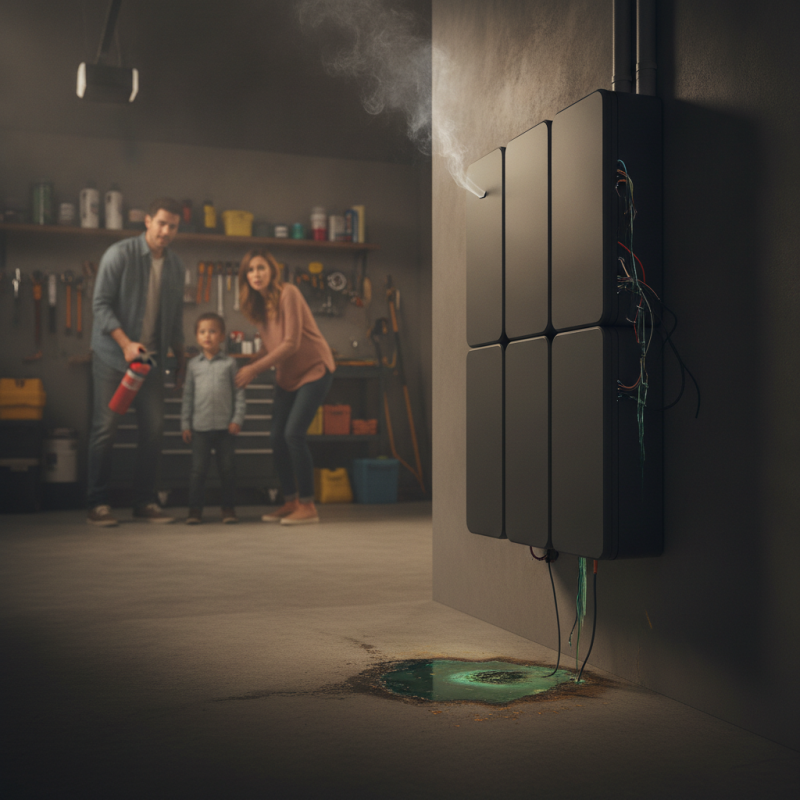
Why Are Home Batteries Risky What Safety Concerns Should You Know?

Understanding Home Batteries: An Overview of Risks

Home batteries have gained popularity for their potential to provide backup power and energy efficiency. However, they come with inherent risks that homeowners should understand. Industry reports highlight that, in 2021 alone, there were over 100 battery-related fire incidents across the United States. These events primarily stem from improper installation or faulty battery management systems.

One significant safety concern revolves around thermal runaway, a condition where batteries overheat and can ignite. According to a 2022 report by the National Fire Protection Association, lithium-ion batteries are particularly susceptible to this phenomenon. Poor ventilation and proximity to flammable materials heighten this risk. Homeowners must consider proper placement and ongoing maintenance to mitigate such dangers.

Moreover, the lifespan of these batteries is often underestimated. Many homeowners believe that maintenance is unnecessary. A study from the Battery Safety Institute found that around 30% of battery users neglect regular checks and software updates. This oversight can lead to performance issues and safety hazards. Educating homeowners about these potential risks is crucial in promoting safer usage of home batteries.

Why Are Home Batteries Risky? What Safety Concerns Should You Know?

Risk Factor Description Safety Measures
Fire Hazard Home batteries can catch fire due to overheating or short circuits. Regular maintenance and installation of heat detection systems.
Chemical Leakage Batteries can leak hazardous chemicals if damaged. Use enclosures to contain spills and ensure proper ventilation.
Explosions Gases can build up in poorly maintained batteries, leading to explosions. Follow manufacturer guidelines for installation and servicing.
Electrocution Risk Improper handling of battery connections can lead to electric shocks. Ensure installation is performed by qualified professionals.
Environmental Concerns Disposal of old batteries can contribute to environmental pollution. Recycle batteries at designated facilities to minimize impact.

Common Safety Risks Associated with Home Battery Systems

Home battery systems are becoming increasingly popular. However, there are significant safety risks that warrant careful consideration. One major concern is overheating. Batteries can generate excess heat, especially during charging. This can lead to thermal runaway, a dangerous condition that may result in fires.

Another issue is improper installation. Many homeowners lack the expertise needed for safe setup. An unqualified installation can cause leaks or short circuits. Additionally, battery management systems must be reliable to prevent faults. A failure in these systems may increase the risk of explosions or toxic gas release.

The risk of battery degradation is also noteworthy. Over time, batteries lose efficiency. As they age, the potential for failures rises. Homeowners should regularly inspect their systems, looking for signs of wear or damage. Awareness and preventive maintenance can help mitigate these risks and enhance safety.

Fire Hazards: Causes and Prevention in Home Batteries

Fire hazards are a significant concern when it comes to home batteries. According to the National Fire Protection Association, batteries can overheat. This can result in fires or explosions. An estimated 80% of battery fires occur in lithium-ion batteries, used widely in home energy systems.

Several factors can lead to these hazards. Overcharging, poor installation, or low-quality components can increase risk. A report from the Battery Safety Research Institute noted that 1 in 10 batteries may have manufacturing defects. Such defects can contribute to thermal runaway, a dangerous chain reaction within the battery.

Preventive measures are crucial. Proper installation is critical for safety. Using a quality battery management system can help prevent overcharging. Regular inspections and appropriate ventilation are also essential. Homeowners should ensure there is adequate space around batteries to reduce heat buildup. Keeping batteries away from flammable materials can significantly lower fire risks. Awareness and education can mitigate many common dangers associated with battery use.

Battery Leaks and Chemical Exposure Risks Explained

Home batteries offer convenience but come with risks, particularly regarding battery leaks and chemical exposure. These leaks can occur due to physical damage, overheating, or manufacturing defects. When batteries leak, harmful chemicals may escape into the environment. Exposure to these substances can pose health risks, including respiratory issues and skin irritation.


In addition to chemical exposure, there's the potential for fire hazards. If a battery overheats or short-circuits, it could ignite. This risk underscores the importance of maintaining and monitoring home batteries regularly. Ensure that your battery system is installed correctly and check for any signs of wear or damage.


Tips for safety include avoiding overcharging your battery and keeping it in a cool, dry place. Regularly inspect your battery for leaks or swelling. If you notice anything unusual, contact a professional for advice. Proper disposal is also crucial; follow local guidelines to safely recycle or dispose of any damaged batteries. Be proactive about safety to minimize risks when using home batteries.

Safety Measures and Best Practices for Home Battery Users

Home batteries can be a great solution for energy storage. However, there are safety concerns that users must consider. High temperatures and improper installation can lead to malfunctions. Users should always follow manufacturer guidelines to ensure safe operation. Regular maintenance of batteries is crucial. Inspect connections and wiring routinely for any signs of wear.

Installation should be done by professionals. This ensures that the system adheres to safety standards. Avoid DIY installations, as they can introduce risks. Proper ventilation is also necessary to prevent overheating. Users should monitor temperatures closely, as high heat presents a fire hazard.

When storing batteries, choose a dry and cool area. Avoid placing them near flammable materials. Educating oneself about battery technology can mitigate risks. Users should be aware of potential hazards and remain vigilant. Sharing information within a community can promote safer practices. Understanding these details is essential for anyone using home batteries.

FAQS

: What causes battery leaks in home batteries?

: Battery leaks can occur due to physical damage, overheating, or manufacturing defects.

What are the health risks associated with chemical exposure from leaking batteries?

Exposure can lead to respiratory issues and skin irritation.

How can overheating lead to hazards?

Overheating may cause a battery to ignite, presenting a fire risk.

What should I check regularly for safety?

Regularly inspect batteries for leaks, swelling, or signs of wear and damage.

How can I properly store home batteries?

Store batteries in a cool, dry place away from flammable materials.

Is DIY installation safe for home batteries?

No, DIY installations can pose risks; professional installations are recommended.

What ventilation measures should I take?

Ensure proper ventilation to prevent overheating of the battery system.

How can I properly dispose of damaged batteries?

Follow local guidelines for recycling or disposing of damaged batteries safely.

What’s a key safety tip for battery maintenance?

Avoid overcharging your battery to minimize risks.

How can community awareness enhance battery safety?

Sharing information can promote safer practices and vigilance among users.

Conclusion

Home batteries have gained popularity for their ability to store energy for residential use, but understanding the potential risks is essential for safe operation. What safety risks come with home batteries includes various concerns such as fire hazards, battery leaks, and chemical exposure. Fire hazards may stem from improper installation or malfunctioning systems, making it crucial for users to follow recommended safety practices and ensure their systems are regularly maintained.

Moreover, battery leaks can pose significant health risks due to chemical exposure, which requires users to be vigilant about the signs of leakage and to handle batteries with care. To mitigate these risks, homeowners should adhere to best practices such as investing in quality battery systems, following manufacturer guidelines, and being aware of their battery's condition. By prioritizing safety measures, users can significantly reduce the dangers associated with home battery systems.

Ethan

Ethan

Ethan is a seasoned marketing professional with a deep expertise in our company's innovative product line. With a passion for sharing knowledge and insights, he takes the lead in regularly updating our corporate blog, where he explores industry trends, product features, and effective marketing......