What Affects the Lifespan of Home Batteries?

Time:2026-05-05 Author:Charlotte
0%

Home batteries are becoming essential for energy storage in households. Understanding "what affects the lifespan of home batteries" is crucial for homeowners. Various factors play a role in determining how long these batteries will last.

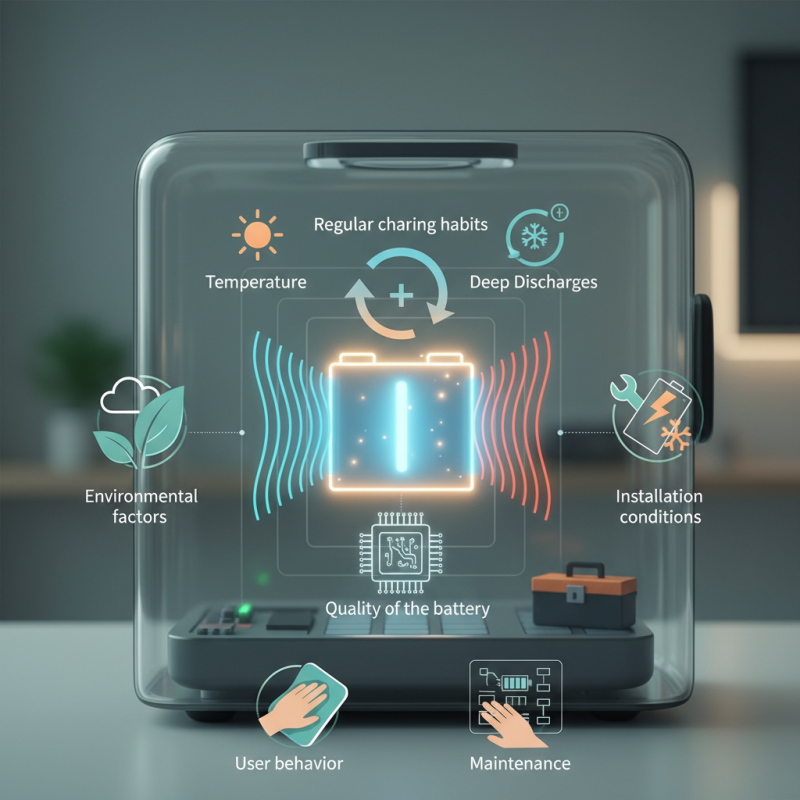
Temperature is one of the biggest influencers. Extreme heat or cold can reduce battery efficiency. Regular charging habits also impact lifespan. Overcharging or frequent deep discharges can shorten battery life. The quality of the battery itself is another key factor to consider. Better technology often means a longer lifespan.

Additionally, environmental factors and installation conditions can lead to unexpected results. Improper installations can strain batteries. Even user behavior, like neglecting maintenance, contributes to faster degradation. These elements remind us that caring for batteries requires attention. Understanding these aspects can help maximize performance and longevity in home energy systems.
What Affects the Lifespan of Home Batteries?

Factors Influencing the Lifespan of Home Battery Systems

The lifespan of home battery systems is influenced by several critical factors. One of the main elements is the type of chemistry used in the batteries. Lithium-ion batteries, prevalent in home storage, typically last between 5 to 15 years. According to a report by the National Renewable Energy Laboratory (NREL), temperature plays a significant role here. Batteries perform best within a 20°C to 25°C range. Exceeding these temperatures may lead to premature aging.

Another factor to examine is the cycling frequency. Frequent charging and discharging can reduce battery health. A study from the International Energy Agency (IEA) indicates that high cycling rates can diminish capacity by up to 20% over time. Additionally, overall depth of discharge matters. Operating a battery at higher states of discharge accelerates wear. However, many users often overlook this critical aspect.

Battery management systems can also impact longevity. Efficient systems regulate temperature and charge cycles but may add complexity. A strong understanding of usage patterns is essential. Identifying optimal settings can maximize lifespan. Yet, even the best systems may require monitoring and adjustments. Users must remain aware of these factors to ensure reliability and efficiency.

Types of Home Batteries and Their Average Lifespans

Home batteries come in various types, and each has its own lifespan. Lithium-ion batteries are popular due to their efficiency. They typically last between 10 to 15 years. This longevity is influenced by usage patterns. Overcharging or deep discharging can shorten their life. Regular maintenance is crucial here.

Lead-acid batteries are another option. They usually last about 5 to 10 years. These batteries are heavier and less efficient. They thrive in environments with stable temperatures. Extreme conditions can cut their lifespan significantly. Users must pay attention to their environment.

Lastly, saltwater batteries offer a newer alternative. They aim for longer lifespans of 10 to 20 years. However, they are still developing. The technology may not be as refined as lithium-ion. Users should research thoroughly before choosing a type. Lifespan can also shift based on the charging cycles and the specific quality of the battery.

Environmental Conditions Impacting Battery Longevity

Environmental conditions play a significant role in determining the lifespan of home batteries. Temperature is a critical factor; extreme heat or cold can lead to accelerated degradation. Most batteries function best at moderate temperatures. High heat can cause more rapid chemical reactions inside the battery, reducing its capacity over time. On the other hand, freezing temperatures can hinder performance and may lead to permanent damage.

Humidity levels also impact battery longevity. Excessive moisture can lead to corrosion of battery terminals. This corrosion can interrupt the flow of energy, resulting in poor performance. It’s essential to keep batteries in a dry environment to prolong their lifespan. Users often overlook this aspect. They may store batteries in damp basements or poorly ventilated areas. This oversight can diminish the overall effectiveness of their energy storage systems.

The positioning of batteries within a home can affect their longevity as well. For example, placing batteries in direct sunlight is not advisable. It can lead to overheating. Instead, a shaded, well-ventilated area will enhance battery performance. Regular maintenance checks are crucial. Identifying issues such as corrosion or leaks early on can save users from costly replacements. All these factors emphasize that being mindful of environmental conditions is imperative for maximizing battery lifespan.

Factors Affecting the Lifespan of Home Batteries

This chart illustrates the impact level of various environmental conditions on the lifespan of home batteries. Factors such as temperature, humidity, charge cycles, maintenance, and storage conditions play a critical role in determining how long batteries can effectively operate.

Usage Patterns and Their Effects on Battery Life

Usage patterns play a significant role in determining the lifespan of home batteries. Frequent charging and discharging cycles can cause wear over time. For instance, consistently depleting a battery to near zero can shorten its life. Conversely, keeping a battery partially charged enhances its longevity. It's crucial to monitor discharge rates to optimize performance.

Temperature also influences battery health. High heat can lead to faster degradation. On colder days, batteries may not perform optimally. Users should consider storing batteries in a climate-controlled area to mitigate these effects. Additionally, almost all batteries exhibit some self-discharge. This means a battery may lose capacity even when not in use.

Understanding your usage habits can lead to better battery care. Tracking charging habits and frequency of use helps in recognizing patterns. Each household has unique energy needs, and identifying this can lead to more efficient energy management. Regular check-ups can also help in identifying issues early. Reflecting on these usage patterns will raise awareness on how to prolong battery life effectively.

Maintenance Practices for Extending Home Battery Lifespan

Home batteries have become increasingly popular for energy storage. However, their lifespan can vary significantly based on maintenance practices. According to industry reports, the average lifespan of lithium-ion batteries can range from 5 to 15 years. Proper care can help maximize this duration.

Regularly monitoring the battery's state of charge (SOC) is crucial. Keeping the charge level between 20% and 80% can prevent stress on the battery. Overcharging or deep discharging can shorten its lifespan. Additionally, maintaining the right ambient temperature is essential. Ideally, batteries should operate in temperatures between 20°C and 25°C.

Tip: Invest in a temperature monitoring system. Extreme heat or cold can negatively impact performance.

Routine inspections can also be beneficial. Check for any signs of wear or damage regularly. If the battery is part of a solar energy system, ensure the solar panels are clean. Dust can reduce energy efficiency and impact battery charging.

Tip: Schedule annual professional evaluations. It’s an investment that can save costs in the long run.

By focusing on these practices, you can significantly enhance your home battery's lifespan. The right maintenance approach not only maximizes performance but also ensures reliability for your energy needs.

FAQS

: What is the lifespan of lithium-ion batteries?

: Lithium-ion batteries generally last between 10 to 15 years with proper care.

How does usage affect battery lifespan?

Overcharging or deep discharging can shorten a battery's life. Regular monitoring is essential.

What factors affect lead-acid battery lifespan?

Lead-acid batteries typically last 5 to 10 years, influenced by temperature and usage conditions.

What are saltwater batteries?

Saltwater batteries are an emerging technology aiming for lifespans of 10 to 20 years, but still developing.

How can I extend my home battery's lifespan?

Keep the battery's charge between 20% and 80% to avoid stress and monitor the temperature regularly.

Why is ambient temperature important?

Maintaining a temperature between 20°C and 25°C helps optimize battery performance and longevity.

Should I perform routine inspections?

Yes, regular checks can identify wear or damage early and maintain battery efficiency.

What maintenance practices are recommended?

Schedule annual evaluations and ensure solar panels are clean for optimal charging efficiency.

Are there any risks to battery maintenance?

Neglecting maintenance can lead to decreased performance and unexpected costs down the line.

Is professional evaluation necessary?

While not mandatory, investing in professional evaluations can help enhance battery reliability over time.

Conclusion

Understanding "what affects the lifespan of home batteries" is crucial for homeowners looking to maximize their investment in energy storage systems. Several factors significantly influence battery longevity, including the type of battery technology used, with traditional lead-acid batteries typically lasting 3-5 years, while newer lithium-ion options can last 10-15 years or more. Environmental conditions such as temperature extremes and humidity levels can also have a profound impact, as excessive heat or cold can accelerate degradation.

Moreover, usage patterns play a pivotal role; frequent deep cycling can shorten a battery's life, while maintaining a steady charge can enhance it. Regular maintenance practices, such as keeping terminals clean and ensuring proper ventilation, are essential in extending the lifespan of home batteries. By being aware of these variables, homeowners can take proactive steps to optimize their battery systems for long-term use.

Charlotte

Charlotte

Charlotte is a seasoned marketing professional with a deep understanding of the company's portfolio and a passion for elevating its presence in the market. With a keen eye for detail and a commitment to excellence, she ensures that our professional blog is regularly updated with insightful articles......