Home batteries are becoming increasingly popular in residential energy solutions. They store renewable energy and provide backup power during outages. However, many homeowners struggle with battery longevity. Understanding how to extend the life of a home battery is crucial for getting the most out of your investment. While advanced technology offers various benefits, misuse and lack of knowledge can quickly shorten battery lifespan.
Proper maintenance and charging habits play a vital role. Even minor oversights can lead to significant performance issues. For instance, excessive temperatures can damage battery cells. It's essential to monitor the environment where your battery is stored. Occasionally, batteries can also suffer from undercharging or overcharging. These factors can lead to diminished capacity and reduced efficiency over time.
Additionally, educating yourself about the specific needs of your home battery is necessary. Each battery type has unique characteristics and limitations. Being diligent about these details can help you make informed decisions. A proactive approach will ensure you enjoy uninterrupted energy for years to come. Taking steps to extend your battery's life is not just beneficial; it's an investment in your home’s future.
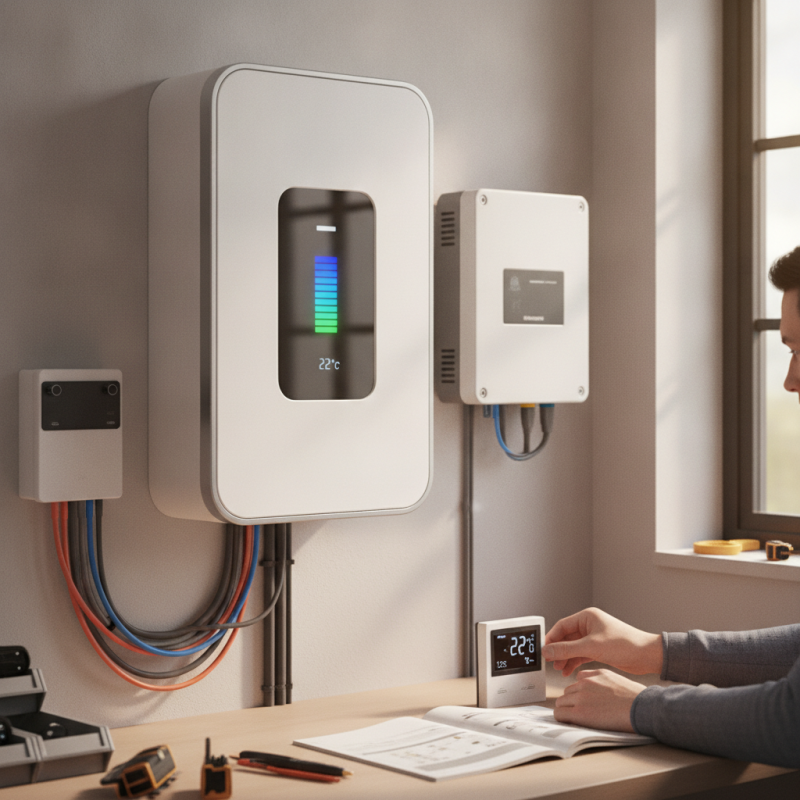
Home battery systems have gained popularity due to their role in energy efficiency and sustainability. Understanding the components is crucial for maintaining these systems. A typical home battery system consists of batteries, inverters, and management systems. Each part plays a vital role in energy storage and use. According to a 2022 report by the International Energy Agency, significant investments in battery technology can enhance overall performance and lifespan.
Battery chemistry greatly impacts lifespan. Lithium-ion batteries are prevalent due to their efficiency and longevity. However, even the best batteries degrade over time. Monitoring temperature is essential, as high temperatures can accelerate wear. The U.S. Department of Energy suggests an ideal ambient temperature is around 25°C. Deviations can impact battery performance and diminish efficiency.
Inverters convert DC to AC power for home use. Quality inverters can optimize energy flow. Yet, poor quality can lead to inefficiencies. Furthermore, battery management systems ensure optimal charging cycles and prevent over-discharging. Regularly updating the system's software is also essential for preventing malfunctions, which can cause unexpected repairs. Addressing these aspects ensures your home battery system remains effective over time.
When it comes to prolonging the life of your home battery, optimizing charging practices is crucial. Research indicates that batteries, particularly lithium-ion types, can last up to 10 years with proper care. Charging cycles significantly affect battery lifespan. For instance, keeping the battery's state of charge (SOC) between 20% and 80% can reduce degradation.
Creating a consistent charging routine helps maintain that optimal SOC. Avoiding deep discharges is essential. Regularly depleting your battery to zero can cause stress and reduce its total capacity. It’s a common misconception that letting batteries fully drain is healthy, but studies show this can lead to premature failure.
Tip: Aim to charge your battery during off-peak hours. This approach helps not only with energy efficiency but also aligns with the utility's grid demand.
Another point to ponder is the temperature during charging. Batteries operate best within a range of 20°C to 25°C. Deviating from this can result in overheating, which is detrimental over time. Keeping your battery in a cool, dry environment can help mitigate this risk.
Tip: Use a smart home system to adjust charging times and temperatures automatically. This adds convenience and enhances battery health in the long run.
Regular maintenance is essential for extending the life of your home battery. Schedule routine checks every few months. Look for leaks, corrosion, or any abnormalities. Regular inspections can prevent small issues from becoming significant problems. A well-maintained battery operates more efficiently, reducing energy waste.
Monitoring your home battery's performance is equally important. Use a monitoring system to track usage and charging patterns. This data can highlight inefficiencies and unusual behavior. Sometimes, it may reveal that your battery isn’t charging well. In such cases, it’s worthwhile to perform manual checks. You might find that simple cleaning techniques can enhance performance.
Maintaining a log of your observations can be insightful. Documenting changes creates a clearer picture of your battery’s health over time. Reflecting on this data can help improve future maintenance practices. Engaging in this level of detail ensures reliability in your power supply. It also empowers you to make informed decisions based on real data.
Maintaining the ideal temperature is crucial for your home battery’s lifespan. Batteries perform best within a specific temperature range. Extreme heat or cold can lead to reduced efficiency and lifespan. Keeping your battery at moderate temperatures helps preserve its health. In essence, temperature control is a key factor here.
During hot weather, excessive heat can lead to battery degradation. In contrast, cold temperatures can slow down battery chemistry. Insulating your battery and placing it in a shaded area can help. Additionally, consider using a temperature monitoring system. This way, you can receive alerts if temperatures exceed or drop below optimal levels.
Regular maintenance is essential, too. Dust buildup on battery surfaces can affect cooling. Ensure that vents are clear and clean. Ignoring this detail might result in overheating. Reflecting on these practices can reveal areas for improvement in your battery management. Paying attention to temperature control can significantly enhance your home battery’s performance and longevity.
| Dimension | Value |
|---|---|
| Optimal Temperature Range | 20°C - 25°C (68°F - 77°F) |
| Battery Lifespan | Average 5-10 years |
| Temperature Effects on Battery Efficiency | High temps reduce lifespan by up to 50% |
| Recommended Storage Temperature | Storage below 5°C (41°F) or above 30°C (86°F) is detrimental |
| Cooling Methods | Passive and active cooling systems |
| Heating Methods | Temperature regulation systems during cold conditions |
| Impact of Insulation | Proper insulation can maintain optimal battery temperature |
| Monitoring Tools | Temperature sensors and battery management systems |
Choosing the right location for your home battery setup is crucial for ensuring its longevity and efficiency. Ideally, the battery should be placed in a dry and cool environment. Heat can accelerate battery wear and reduce its lifespan. Consider a location that has stable temperatures and is out of direct sunlight. Basements or dedicated utility rooms often work well.
Ventilation is equally important. Batteries can produce gases during operation. An area with good airflow will help dissipate these gases, preventing potential hazards. Avoid clutter around the battery. This can cause overheating and make access difficult for maintenance.
Regularly check the area around your battery. Look for signs of moisture or pests. Both can harm the battery's performance. Rethink your location if you notice any changes in humidity or temperature. Sometimes, flexibility in your setup is necessary to adapt to changing conditions. Prioritizing safety, accessibility, and stability will contribute significantly to the longevity of your home battery system.
: A typical home battery system includes batteries, inverters, and management systems. Each plays a crucial role.
Battery chemistry is vital. Lithium-ion batteries are efficient but degrade over time. Monitoring temperature can help extend lifespan.
Batteries perform better within a specific temperature range. Extreme temperatures can lead to reduced efficiency and longevity.
Check for leaks, corrosion, and any abnormalities every few months. Regular inspections can prevent larger issues later.
Use monitoring systems to track usage. Clean your battery regularly. This can help reveal inefficiencies and improve performance.
It ensures optimal charging cycles and prevents over-discharging. Regular software updates are essential to avoid malfunctions.
Dust can hinder cooling by blocking vents. Keeping the battery clean is crucial to prevent overheating issues.
Maintain a log of observations, such as changes in performance. This can provide insights over time and guide future maintenance.
Insulate your battery and keep it in shaded areas during hot weather. This helps maintain an optimal temperature.
Cold temperatures can slow down battery chemistry. This can lead to inefficient performance, requiring careful temperature management.
In the quest to understand how to extend the life of a home battery, it’s essential to recognize the key components of battery systems and their respective functions. Optimal charging practices play a crucial role in maximizing battery longevity; this includes understanding the best times and methods for charging. Regular maintenance and monitoring can help detect issues early, thus prolonging the battery’s lifespan.
Additionally, temperature control is vital for maintaining battery efficiency, as extremes can negatively impact performance and longevity. Finally, choosing the right location for your home battery setup, away from direct sunlight and humidity, can ensure better operational conditions. By following these guidelines, homeowners can effectively enhance the durability and performance of their home battery systems.

Sliver Battery