Why Choose the Best Home Battery for Backup Power?

Time:2026-07-15 Author:Aria
0%

In recent years, the demand for reliable backup power has surged. As more homes adopt renewable energy sources, the question arises: What is the best home battery for backup power? According to a report by the U.S. Energy Information Administration, over 40% of households are considering battery systems to enhance energy resilience. This transition reflects a growing recognition of energy independence.

Selecting the right home battery is crucial. Not all systems offer the same efficiency or longevity. Industry experts suggest that optimal battery systems should have a minimum lifespan of 10 years and charge efficiency above 90%. However, the choices can be overwhelming for homeowners. Many struggle to balance cost, capacity, and performance. It’s essential to evaluate factors like storage capacity and ease of installation.

The urgency for reliable power solutions is clear. Natural disasters and power outages are on the rise, making backup batteries essential. The National Renewable Energy Laboratory estimates that battery storage could mitigate grid failures significantly. When making a decision, it is beneficial to consult data from trusted sources and industry experts. This will ensure well-informed choices that truly meet individual needs for backup power.
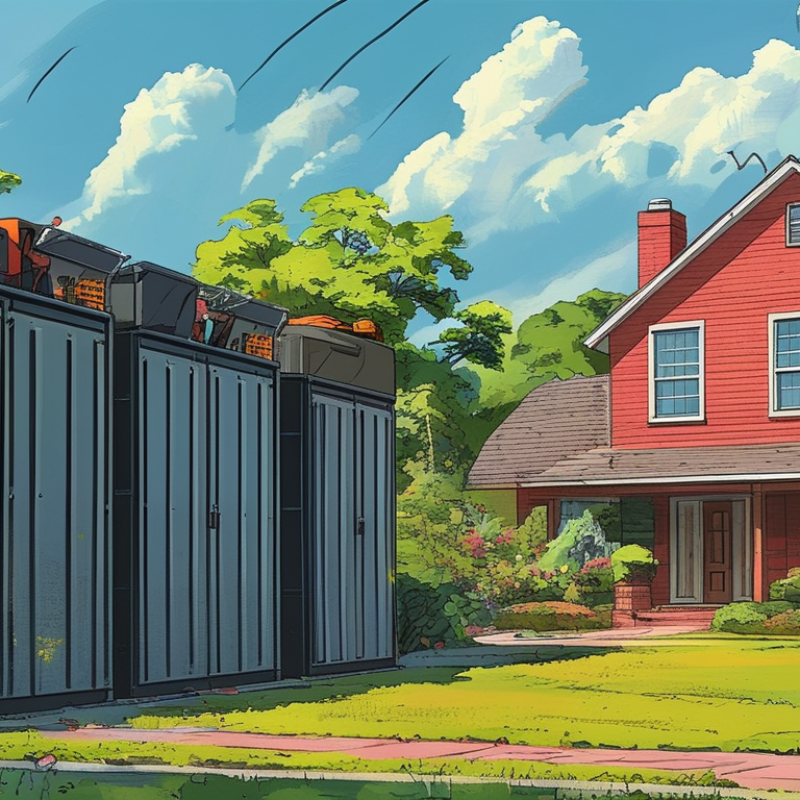
Why Choose the Best Home Battery for Backup Power?

Understanding Home Battery Systems: Basics and Benefits

Home battery systems have gained attention for their capacity to provide backup power during outages. They store energy from renewable sources or the grid, ensuring a reliable energy supply when needed. Many homeowners face uncertainty about their power needs and the best solutions for emergencies. Understanding the basics of these systems is crucial.

A key aspect is compatibility with your existing energy sources. Some batteries work best with solar panels, while others integrate seamlessly with the grid. It’s essential to evaluate your needs and consult with professionals. They can guide you in selecting a system that fits your household requirements. The benefits of home battery systems extend beyond just backup power. They can lower energy costs by storing electricity during peak hours and using it when prices rise.

However, not all systems are created equal. Some might not hold enough energy for prolonged outages. Installation can also be challenging, with safety concerns if not done correctly. It’s vital to research, ask questions, and acknowledge that perfect solutions may be elusive.

Adapting to new technologies can lead to unexpected challenges, but the rewards can outweigh the risks.

Factors to Consider When Choosing a Backup Power Solution

Choosing the right home battery for backup power involves several key factors. First, consider your energy needs. Assess your daily electricity consumption to determine battery capacity. Look at peak usage times and identify which appliances are essential during power outages. This analysis helps you understand the size and type of battery that will best meet your needs.

Another important factor is battery lifespan and warranty. Many batteries offer long lifespans, but how long do they really last? Investigate the manufacturer's claims and customer reviews. Longevity impacts the overall value. Check for warranties that provide peace of mind. It's crucial to understand what is covered and the terms attached.

Finally, installation and maintenance requirements should not be overlooked. Some systems are easier to install than others. Think about whether you can handle it yourself or need a professional. Ongoing maintenance can also vary. A reliable system may save you headaches in the long run, but do thorough research first. Balancing these factors ensures your backup power solution will serve you effectively.

Comparing Different Types of Home Batteries for Efficiency

When considering home batteries for backup power, efficiency is key. The most common types include lithium-ion, lead-acid, and flow batteries. Each has distinct advantages and limitations. According to the U.S. Department of Energy, lithium-ion batteries are about 85-95% efficient. This high efficiency translates to more usable energy. However, they often come with a higher initial investment.

Lead-acid batteries, on the other hand, offer a lower efficiency of around 70-85%. While they are cheaper upfront, they require more frequent replacement. Battery lifespan is important too; lithium-ion typically lasts 10-15 years, compared to 3-5 years for lead-acid. This can greatly impact long-term costs.

Flow batteries are an emerging option with unique benefits. They offer longer lifespans and can be cycled without affecting performance. Yet, they are less common and can be complicated to install. Data from various energy reports point toward a growing trend in the adoption of advanced home battery systems. Consumers should weigh the efficiency against installation and maintenance costs. Choosing the right battery isn't just about performance; it is also about suitability for individual energy needs.

Evaluating Cost vs. Value in Home Battery Systems

When evaluating home battery systems, cost versus value often takes center stage. Many homeowners feel the pressure to choose the cheapest option available. However, this approach may overlook long-term benefits. A lower initial price does not guarantee reliability or efficiency. Often, investing in a higher-quality battery can yield more savings on energy bills and enhance home security during outages.

Consider the lifespan of battery systems. Cheaper batteries may only last a few years. In contrast, more expensive options can last a decade or longer. This longevity often translates into better value. Additionally, features like energy capacity and charge cycles should be assessed. A battery that can store more energy might cost more upfront but can provide more power during critical times.

Reflect on maintenance costs, too. Some systems require frequent servicing, while others are virtually maintenance-free. It's essential to weigh these factors carefully. The true value of a home battery lies not just in the initial price but in its long-term performance and reliability. Evaluating these elements collectively helps homeowners make informed decisions without falling into the trap of short-term savings.

Why Choose the Best Home Battery for Backup Power? - Evaluating Cost vs. Value in Home Battery Systems

Battery Type Capacity (kWh) Cost ($) Expected Lifespan (Years) Cycles Warranty (Years) Cost per kWh ($)
Lithium-ion 10 9000 15 5000 10 900
Lead-acid 12 6000 5 1500 3 500
Saltwater 15 7500 10 3000 5 500
Flow Battery 20 12000 20 10000 10 600

Maintenance and Lifespan of Home Batteries for Reliable Backup

When considering a home battery for backup power, maintenance and lifespan are critical factors. According to the U.S. Department of Energy, most home batteries have a lifespan of 5 to 15 years. Regular maintenance can influence this longevity significantly. Proper care not only ensures optimal performance but also promotes safety, as malfunctioning batteries may pose risks.

For optimal battery health, monitor the charge levels. Keeping the battery between 20% and 80% charged can prevent degradation. Checking connections regularly is also crucial. Loose connections can lead to inefficiencies or even hazards. Dust and debris buildup around battery terminals can cause overheating or failures. Therefore, keep these areas clean and clear.

Tips for maintenance include using a temperature-controlled environment. Extreme temperatures can reduce battery life effectively. Seasonal checks are also advisable. Evaluate the battery’s condition and ensure that it is functioning correctly. This practice can save money on replacements and guarantee reliable backup power when it’s needed.

Ultimately, investing time in maintenance can enhance the overall performance and safety of home batteries. The right care contributes to a dependable backup system, providing peace of mind during outages.

Battery Capacity and Lifespan of Home Battery Systems

This chart illustrates the average capacity and lifespan of different home battery types. Lithium-ion batteries offer higher capacity and longer lifespan compared to lead-acid and nickel-based alternatives, making them a preferred choice for reliable backup power.

FAQS

: What should I consider when choosing a backup power battery?

: Assess your daily electricity consumption and peak usage times. Identify essential appliances during power outages.

How long do home batteries typically last?

Most home batteries last between 5 to 15 years, depending on usage and maintenance.

What can affect the lifespan of my battery?

Regular maintenance, charge levels, and temperature control greatly influence battery longevity and performance.

How should I maintain my home battery?

Monitor charge levels, keep the battery between 20% and 80%, and check connections regularly.

Why is it important to keep battery terminals clean?

Dust and debris can cause overheating or failures, potentially leading to hazards.

Do I need to hire a professional for installation?

It depends on the system's complexity; assess your comfort level with DIY installation versus hiring a pro.

What can I do to enhance battery performance?

Invest time in regular checks and maintain a temperature-controlled environment for optimal performance.

Is a longer warranty always better?

Not necessarily; check the coverage details and terms to ensure it meets your needs.

What if my battery is underperforming?

Investigate connections, charge levels, and cleanliness. Regular checks can prevent more significant issues.

What are the risks of neglecting battery maintenance?

Malfunctioning batteries can pose safety risks and reduce reliability during outages. Regular upkeep is vital.

Conclusion

When considering the question "What is the best home battery for backup power?", it is important to understand the basics and benefits of home battery systems. These systems provide reliable backup during outages, enhance energy independence, and can potentially lower electricity costs. Factors such as capacity, efficiency, and compatibility with existing home systems play a crucial role in choosing the right solution.

Additionally, comparing different types of home batteries can help homeowners make informed decisions based on their needs. Evaluating the cost versus value is essential—it's not just about the initial investment, but also long-term savings and reliability. Finally, maintenance and the expected lifespan of home batteries significantly impact their effectiveness as a backup power source. By carefully weighing these considerations, homeowners can identify the best option for their backup power needs.

Aria

Aria

Aria is a dedicated marketing professional with a deep passion for innovative strategies and a keen understanding of our company's product offerings. With a wealth of experience in the industry, Aria excels at crafting engaging content that highlights the unique features and benefits of our......