Solar batteries rarely stop working without a reason. Usually, several small failures have accumulated inside the system. So, what causes a solar battery to stop working? The answer may involve heat, age, incorrect charging, moisture, damaged wiring, or a failing battery-management system. Each clue matters.
Dr. Jeff Dahn, a widely respected battery researcher, has emphasized that “battery life depends on how a battery is used.” That principle also applies to home solar storage. A battery installed in a hot garage may show swollen casing, reduced capacity, or unexpected shutdowns. An inverter with incorrect voltage settings can create similar symptoms. Loose terminals may produce heat, sparks, or intermittent power. Corrosion can hide beneath a clean-looking connection.
Some batteries lose performance gradually. Others stop suddenly after a protection circuit detects unsafe conditions. Lithium batteries may disconnect when temperatures fall too low or rise too high. Lead-acid batteries can suffer from sulfation after repeated undercharging. They also dislike deep discharge. Small mistakes become expensive.
This guide examines the leading reasons solar batteries fail in 2026. It considers chemistry, installation quality, charging habits, software settings, and maintenance records. It also separates a truly dead battery from an inverter, cable, or monitoring problem. That distinction is important. Replacing the battery too quickly wastes money.
A careful diagnosis should include voltage readings, error codes, terminal inspection, temperature checks, and recent performance history. Never open a damaged battery casually. Professional testing is safer. Even experienced owners can misread one symptom. We should admit that solar storage is improving, but it is not maintenance-free.
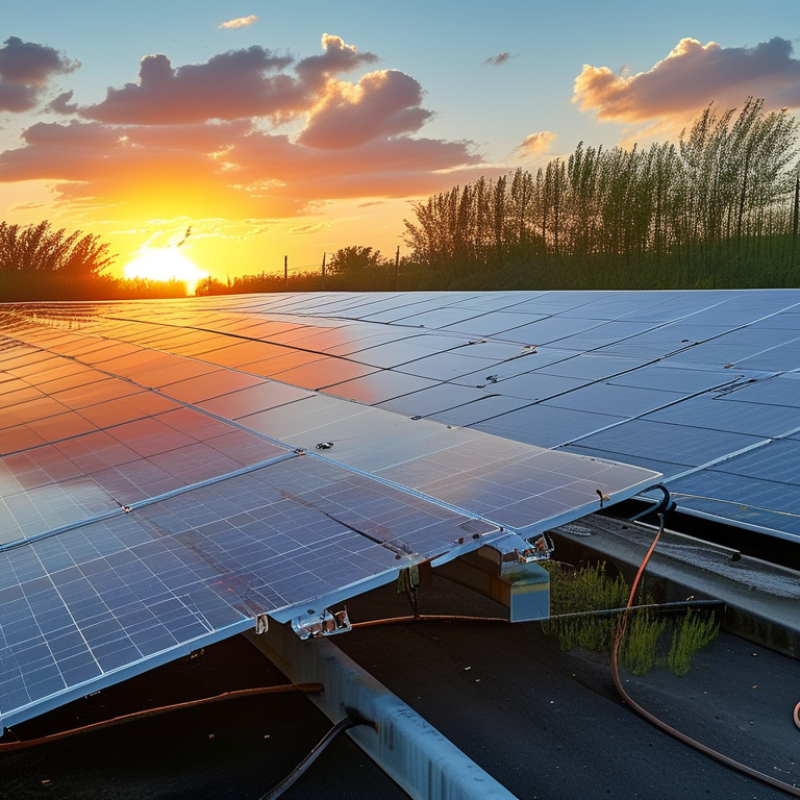
Solar batteries rarely stop working for one dramatic reason. Most failures develop quietly through heat, repeated deep cycling, poor charging, or aging cells. The U.S. Department of Energy’s Energy Storage Grand Challenge Roadmap identifies capacity fade, safety, and reliability as central storage-performance concerns.
Heat is often the hidden accelerator. A battery installed beside a hot exterior wall may face higher temperatures than its data sheet assumes. High heat speeds chemical aging and can trigger protective shutdowns. NREL’s 2024 Annual Technology Baseline uses a 15-year life assumption for utility-scale lithium-ion storage, but real household conditions vary widely. A poorly ventilated utility room is not a laboratory.
Charging problems also matter. An incorrectly configured inverter can push unsuitable voltage or current into the battery. Frequent deep discharges increase stress, while long periods at full charge can reduce usable capacity. The battery-management system may then disconnect the unit to prevent damage. Sandia National Laboratories’ Energy Storage Systems Safety Roadmap emphasizes monitoring, thermal control, and fault detection for this reason. Moisture, loose terminals, rodents, and software errors can create similar symptoms. Sometimes, the battery is healthy; the sensor is not. That distinction is easy to miss. Regular inspection, firmware checks, temperature records, and capacity testing reveal more than a single warning light. Yet maintenance is often postponed until the lights go out.
2026 Top Reasons Why Solar Batteries Stop Working?
Battery aging is the most common reason solar storage performance declines. Every charge and discharge cycle causes small chemical changes inside the cells. Over several years, the battery may hold less energy than its original rating. A system once delivering 10 usable kilowatt-hours might later provide only 7 or 8. The change is gradual. Often, users notice shorter evening backup before seeing an actual fault message.
Heat accelerates this process. A battery installed in a poorly ventilated garage can remain hot after a sunny afternoon. High charging voltage, frequent deep discharges, and long periods at full charge may also increase stress. In practical inspections, reduced capacity often appears as faster voltage drops under load. The battery may reach full charge quickly, then empty unusually soon. That pattern can resemble an inverter problem. It is not always the battery.
A reliable assessment compares current usable capacity with installation records. Technicians can review charge cycles, temperature history, and system alerts. They may also perform a controlled capacity test under safe conditions. Do not open the battery enclosure or test live terminals without proper training. A clean app display proves very little. Communication errors, loose connections, and faulty sensors can imitate aging. I once treated a short backup period as simple degradation, but the real issue was poor configuration. That mistake matters. Capacity loss should be measured, not guessed.
2026 Top Reasons Why Solar Batteries Stop Working?
Solar batteries often fail because their environment is harsher than expected. High temperatures speed up chemical aging and reduce available capacity. A battery cabinet exposed to afternoon sun can become dangerously hot inside. Repeated heat cycles may damage cells, sensors, and protective electronics. Cold weather creates another problem. Some batteries accept limited charging below their specified temperature range.
Moisture causes quieter damage. Condensation can form when a warm enclosure cools overnight. Water may reach terminals, cable glands, or circuit boards. Corrosion then increases electrical resistance and creates unstable readings. Outdoor units need suitable enclosures, sealed connections, and proper drainage. Small leaks are easy to miss. A dry-looking wall does not prove a dry battery compartment.
Installation conditions also decide long-term reliability. Poor airflow traps heat around the cabinet. Incorrect cable sizing can create voltage drops and excessive warmth. Loose terminals may develop hot spots under heavy loads. Uneven mounting can strain enclosures and connections. Qualified installers should follow electrical codes, clearance rules, torque specifications, and the battery’s operating limits. I have seen owners blame the battery when blocked vents caused the real problem. That assumption is understandable, but often wrong. Even careful inspections can miss condensation behind a cover. Temperature and moisture records can reveal patterns that a single service visit cannot.
How Charging, Discharging, and Inverter Problems Disrupt Operation
Solar batteries rarely stop without warning. Charging faults are a common starting point. Excessive voltage can stress cells and trigger protective shutdowns. Insufficient charging leaves the battery underpowered, especially during cloudy weeks. A damaged cable, loose terminal, or dirty connection can also interrupt current flow. In practical service checks, technicians should compare charging voltage with the battery’s specification. Guesswork is risky.
Discharging problems often develop slowly. Repeated deep discharges can reduce usable capacity and increase internal resistance. High evening loads may drain the battery faster than expected. Poor settings can also prevent the system from reaching its reserve level. Temperature matters too. Cold conditions can restrict charging, while heat accelerates cell aging. The battery may still show a percentage, but that reading is not always trustworthy.
The inverter controls the exchange between solar panels, batteries, and household circuits. A fault code, overheated cabinet, failed cooling fan, or communication error can stop normal operation. Sometimes the battery is healthy, but the inverter cannot recognize it. Other times, unstable voltage causes repeated restarts. Checking event logs, cable connections, ventilation, and software settings can reveal the pattern. One overlooked detail is timing: failures after sunset often indicate discharge or inverter control issues. Do not open energized equipment without proper training. A professional inspection remains the safer choice, even when the problem seems simple.
2026 Top Reasons Why Solar Batteries Stop Working?
How to Diagnose, Repair, or Replace a Failed Solar Battery
A failed solar battery may show no output, charge slowly, or trigger repeated inverter alarms. Begin with the easiest checks. Read the inverter history and battery management system messages. Confirm the battery isolator is on, and inspect visible cables for looseness, corrosion, or heat damage. Check the surrounding temperature, because extreme heat can reduce charging or stop protection systems.
Do not open a sealed lithium battery. Never bypass a fuse or protection circuit. A qualified technician can measure terminal voltage, charging current, and usable capacity with calibrated equipment. A low reading does not always mean the cells have failed. Incorrect settings, a damaged communication cable, or a tripped safety device can create similar symptoms. Fault codes can mislead. That is easy to forget.
Some problems are repairable. A technician may replace a damaged cable, correct charging settings, update control software, or repair a safe external connection. Swelling, leaking electrolyte, burning smells, cracked casing, or repeated thermal alarms require immediate isolation. Keep people away from the unit.
Replacement becomes more practical when capacity has fallen sharply, faults return after testing, or compatible parts are unavailable. Compare the measured capacity with the manufacturer’s service limit, not with the battery’s original marketing claim. Record installation age, cycle history, temperatures, and fault dates. Those details prevent guesswork. Do not dispose of the battery in household waste. Arrange collection through an approved battery recycling service.
| Failure Reason | Typical Indicators | Recommended Diagnostic Checks | Likely Action | Repairable? | Urgency |
|---|---|---|---|---|---|
| Battery State of Charge Is Too Low | The battery does not discharge, the inverter reports low voltage, or backup power is unavailable after several cloudy days. | Check the battery state-of-charge reading, charging current, solar production, and minimum reserve settings. Compare the battery voltage with the manufacturer’s operating range. | Allow a correct charging cycle and review system settings. Investigate the charging source if the battery cannot increase its charge level. | Usually yes | Medium |
| Battery Management System Protection | The battery suddenly stops charging or discharging, displays a protection warning, or returns to operation after a reset. | Read system fault logs and check for over-voltage, under-voltage, over-temperature, over-current, or communication faults. Do not bypass the protection system. | Remove the underlying cause and perform only the reset procedure permitted by the service instructions. Persistent faults require qualified service. | Sometimes | High |
| Excessive Heat or Poor Ventilation | Reduced capacity, repeated thermal shutdowns, unusually warm enclosure surfaces, or a battery that performs better at cooler times. | Inspect ventilation clearances, ambient temperature, cooling paths, blocked vents, and temperature sensor readings. Look for heat sources near the enclosure. | Improve airflow and remove nearby heat sources. Stop using the system if there is smoke, swelling, melting, or a strong chemical odor. | Cause may be repairable | High |
| Normal Capacity Degradation | Shorter backup duration, lower usable energy, and gradual performance decline without a sudden fault code. | Compare measured usable capacity with the original rated capacity, accounting for temperature, reserve settings, load size, and charging limits. | Adjust expectations or operating settings. Replacement becomes practical when capacity no longer meets essential backup requirements. | Usually no | Low |
| End of Cycle Life | The battery reaches its expected service period, has substantially reduced capacity, or shows increasing internal resistance. | Review installation date, cycle history, capacity-test results, internal resistance data, and maintenance records. | Replace the battery with a compatible unit after checking voltage, chemistry, capacity, enclosure, inverter compatibility, and local code requirements. | Normally no | Medium |
| Loose, Corroded, or Damaged Connections | Intermittent operation, voltage drop, heating at terminals, error codes, or no communication between the battery and inverter. | Visually inspect accessible connections for corrosion, discoloration, damaged insulation, and loose hardware. A qualified technician should perform de-energized torque and voltage-drop tests. | Isolate the system safely and repair or replace defective cables, fuses, terminals, or connectors using correctly rated components. | Often yes | High |
| Inverter or Charger Fault | The battery appears healthy, but it will not charge or discharge; the inverter shows a separate charging, grid, or conversion error. | Check inverter fault history, AC and DC input conditions, charge limits, operating mode, fuses, and communication status. | Repair or replace the inverter or charger if testing confirms the battery is not the source of the problem. | Component-dependent | Medium |
| Communication or Firmware Problem | The battery is not recognized, state-of-charge data is inaccurate, or the system reports a communication timeout. | Check communication cables, termination settings, network status, device addresses, compatible firmware versions, and event logs. | Restore the approved configuration or update firmware according to the equipment instructions. Replace damaged communication hardware if necessary. | Often yes | Medium |
| Cold Operating Conditions | Charging is restricted in cold weather, available capacity temporarily decreases, or the system enters low-temperature protection. | Check battery temperature readings, installation location, heating controls, and the chemistry-specific minimum charging temperature. | Maintain the permitted temperature range and follow the battery’s cold-weather charging requirements. Do not force charging outside the specified range. | Usually yes | Low |
| Water, Flooding, or Corrosive Environment | Moisture inside the enclosure, corrosion, ground faults, nuisance trips, or visible damage after flooding. | Disconnect the system only through the approved emergency procedure and have an electrician inspect insulation resistance, grounding, enclosure integrity, and affected components. | Do not reuse equipment exposed to water until professionally assessed. Replace components that have compromised insulation or internal corrosion. | Often no | Critical |
| Physical Damage, Swelling, Smoke, or Odor | Cracked casing, bulging cells, leaking electrolyte, smoke, hissing, unusual odor, or rapidly increasing temperature. | Do not open, move, puncture, charge, or test the battery. Keep people away and contact emergency services or a qualified battery professional when there is an immediate hazard. | Treat the battery as unsafe and arrange professional isolation, removal, transport, and recycling or disposal under applicable regulations. | No | Critical |
Battery aging is usually the main reason. Each charge cycle creates small chemical changes inside the cells.
A battery rated for 10 usable kilowatt-hours may later provide only 7 or 8. The decline is gradual.
Evening backup becomes shorter. The battery may charge quickly, then empty unusually soon.
Yes. A poorly ventilated garage can stay hot after a sunny afternoon. Heat stresses cells, sensors, and protective electronics.
Some batteries accept limited charging below their specified temperature range. Local conditions matter.
Condensation may reach terminals, cable glands, or circuit boards. Corrosion increases resistance and causes unstable readings.
Yes. Blocked vents, loose terminals, poor cable sizing, or uneven mounting can create heat and voltage problems.
Compare current usable capacity with installation records. Technicians can review cycles, temperature history, alerts, and controlled tests.
No. Communication errors and faulty sensors can imitate aging. A clean display proves very little.
Do not open the enclosure or test live terminals without proper training. Measure the problem instead of guessing.
What causes a solar battery to stop working? Several factors can contribute, including natural aging, repeated charge and discharge cycles, and gradual capacity loss. As a battery ages, it may store less energy, provide shorter backup times, or fail to reach full charge. High temperatures, freezing conditions, moisture, poor ventilation, and incorrect installation can also damage internal components and reduce reliability. Loose connections, unsuitable wiring, or inadequate protection may create additional performance problems.
Charging and discharging issues can also interrupt operation. An improperly configured inverter, unstable power flow, excessive loads, or faulty monitoring equipment may prevent the battery from charging or supplying electricity correctly. To diagnose a failure, users should check warning indicators, system settings, cables, temperature, and visible signs of damage while following qualified safety procedures. Depending on the cause, a professional may repair the connections, adjust the system, or replace damaged components. If the battery has reached the end of its service life or suffered serious internal damage, replacement is usually the safest and most practical solution.

Sliver Battery